
WaterCAN notes that President Cyril Ramaphosa has placed water security and the criminality that thrives when taps run dry on the national agenda during the 2026 State of the Nation Address. This focus reflects years of sustained pressure from communities, civil society and activists across South Africa. It is long overdue. The real test, as always with SONA commitments, will be implementation.
WaterCAN’s Executive Director, Dr Ferrial Adam, acknowledged the President’s recognition of the water and sanitation crisis, but warned that this acknowledgement comes after years of denial and deflection by senior political leaders. The scale of collapse in water and sanitation infrastructure warrants a far stronger response, including consideration of declaring a national water and sanitation infrastructure disaster.
“Communities are not protesting because of drought. They are protesting because infrastructure is collapsing, maintenance is neglected, and corruption and organised criminality have been allowed to hollow out water services,” said Adam.
Adam said water activists who raise these issues are too often met with intimidation and violence, as seen in Soshanguve this week, while memorandums are ignored and petitions dismissed.
READ: The Peoples' Water Forum Letter to the President
“When citizen science exposes polluted rivers and unsafe supply, our methods are first dismissed and then quietly accepted once the evidence is undeniable. The public has been forced to fight just for acknowledgement before we can even begin to fight for solutions,” said Adam.
WaterCAN cautioned that the proposed National Water Crisis Committee, which the President is expected to chair, must not become another talk shop. It must have clear action plans, firm deadlines, and civil society participation to ensure transparency and credibility. On tackling crime in the sector, government must urgently confront the entrenched water tanker economy, widely perceived as a gateway for corruption.
“The water mafias are a direct threat to water security. It is in their interest that infrastructure remains broken. The President must order an immediate national audit of all water tanker contracts, including beneficial ownership, pricing, delivery verification and any illicit financial flows between tanker networks, officials and politicians,” said Adam.
WaterCAN also expressed concern that the short, basic intervention announced for the City of Johannesburg will not be sufficient to deal with the scale of collapse in the city’s water system. While the President’s acknowledgement that local government failure is a key driver of water insecurity is welcome, systemic reform is required. Simply reallocating funding or tweaking policy frameworks, without addressing entrenched governance and political failures, will not fix the crisis.
Crucially, the address offered no immediate relief for the thousands. if not millions, of South Africans who still do not have reliable access to safe water and dignified sanitation. For communities already going days, weeks and, in some cases, years without consistent supply, long-term reforms and future committees provide little comfort. Immediate emergency measures, with clear delivery plans, are urgently needed to protect public health and restore basic dignity.
The organisation further noted a troubling “copy-and-paste” pattern across the 2024, 2025 and 2026 State of the Nation Addresses, where major water commitments are repeated with minor wording changes but without clear delivery milestones. This includes delays in establishing the National Water Resource Infrastructure Agency, finalising the Water Services Amendment Bill, and progress on bulk infrastructure projects such as the Lesotho Highlands Water Project, which is already years behind schedule.
“We want to see criminal cases against municipalities finalised. We welcome talk of personal liability for accounting officers and municipal managers where failures are clear, but we must be honest: the laws and enforcement mechanisms already exist. New policy will mean nothing if consequence management remains optional,” said Adam.
WaterCAN stressed that the most concerning weakness in the President’s approach is the continued absence of time-bound commitments that the public can track. Government has repeatedly stated that water-related funding should be ring-fenced, yet there has still been no firm commitment to make this a reality.
“Failure to provide hard deadlines is not a minor omission — it removes the very basis for accountability. If government is serious about water security, it must publish timelines, interim milestones and transparent progress reports so communities can see what is being delivered, where, and by when. Ultimately, it is up to President Ramaphosa to set that tone,” said Adam.
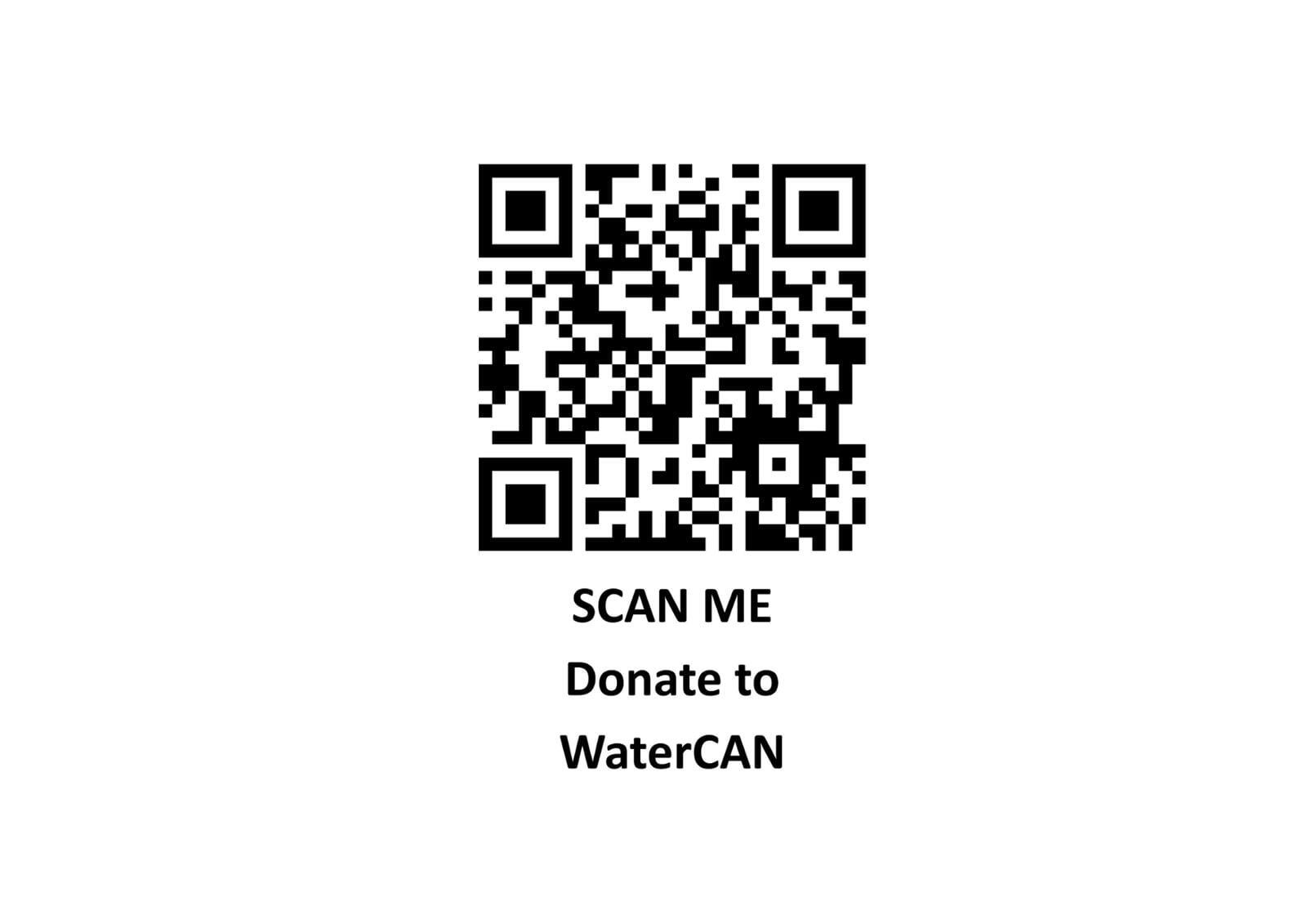
Donate to WaterCAN
Across South Africa, WaterCAN’s volunteers and citizen scientists are monitoring drinking water and sanitation failures, uncovering risks, and demanding action from those responsible. We challenge polluters, call out government negligence, and stand with communities whose rights to safe water and sanitation are routinely violated. Your support keeps this watchdog work alive and powerful.
For Media Enquiries contact WaterCAN Communications Manager on Jonathan Erasmus 073 227 6075 or email media@watercan.org.za.
