
Our Citizen Science Activism Pillars
Pillar 1: Empower communities, especially women and youth, through a national citizen science network
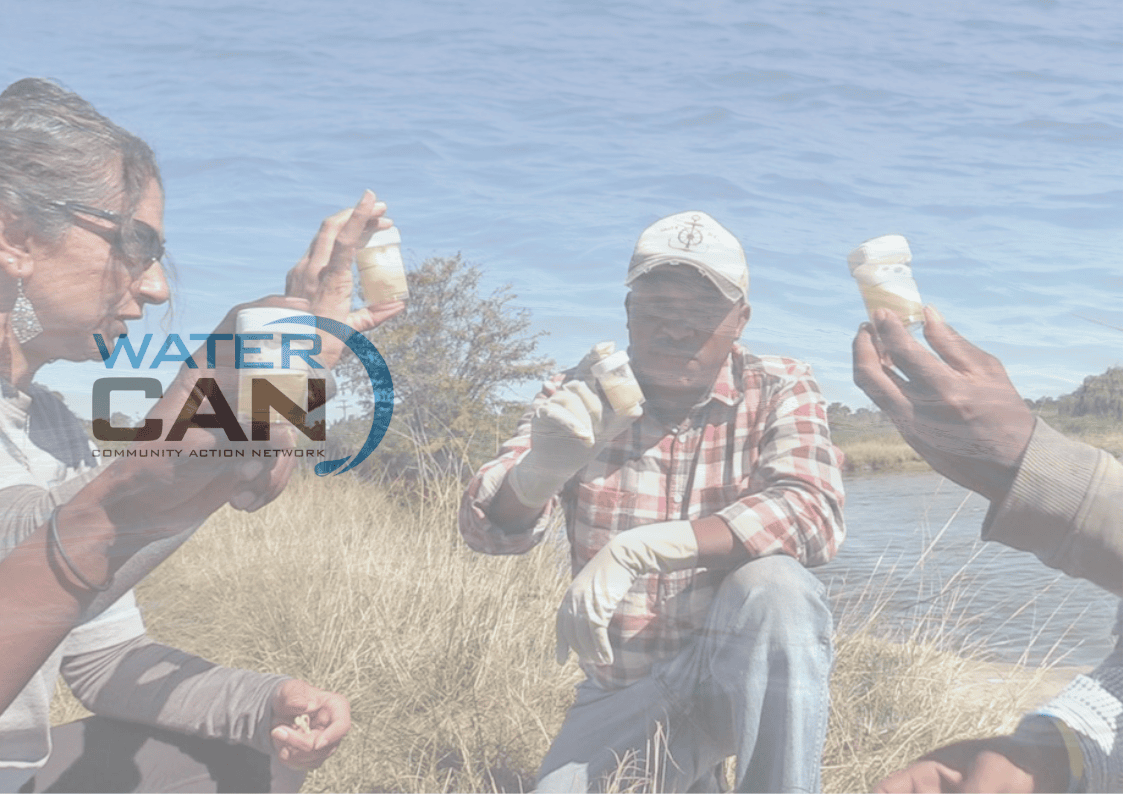
Empowering communities through citizen science means giving ordinary residents - especially women and young people - the skills and tools to test and track local water conditions, record problems, and turn that evidence into action.
WaterCAN does this by:
- Providing simple monitoring tools (kits, templates, reporting systems).
- Offering training and ongoing support so results are consistent and credible.
- Helping communities use the data to raise alarms, engage officials, and push for fixes.
- Strengthening evidence-based advocacy so complaints are backed by facts, not ignored.
The goal: local people become the eyes and ears of water safety, and their findings drive real accountability and improvement.
Pillar 2: Drive accountability and influence policy
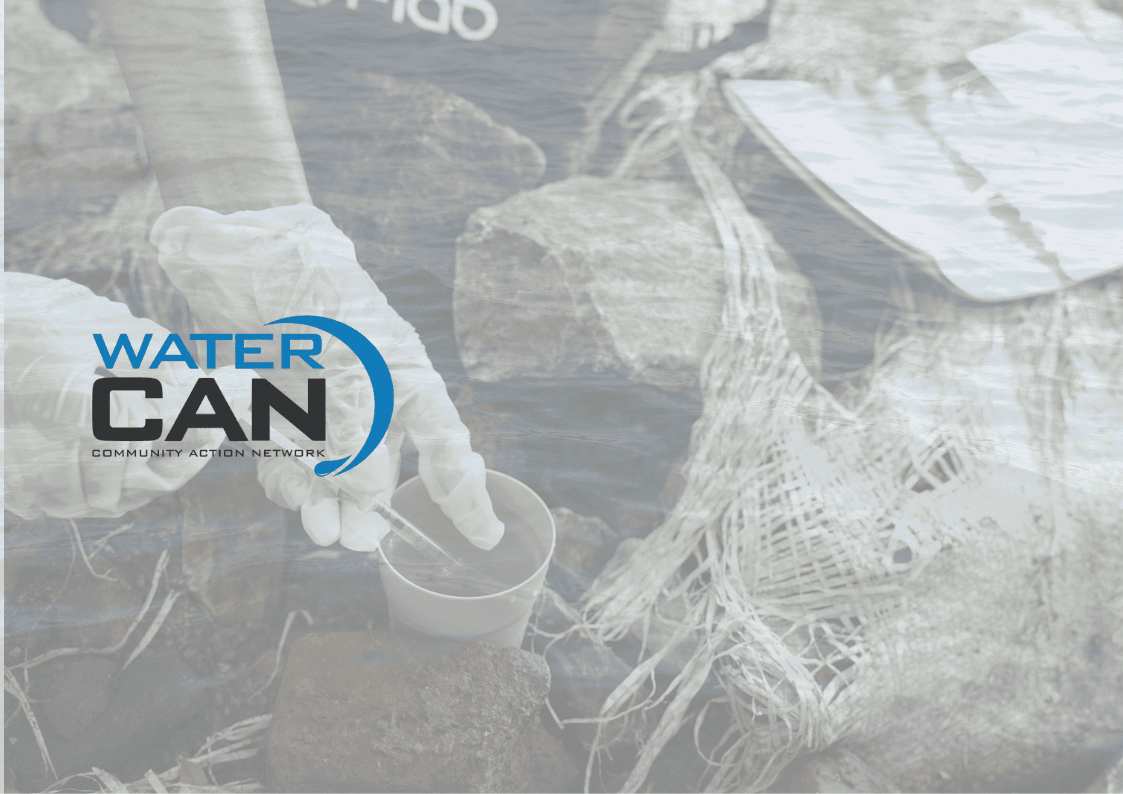
Driving accountability and influencing policy means using solid, citizen-generated evidence - backed by targeted research - to prove what’s going wrong in water services, make it publicly visible, and push decision-makers to fix it.
WaterCAN does this by:
- Adding strategic research when possible (laws, standards, budgets, audits, performance data) to show where authorities are failing.
- Turning evidence into clear public reporting (dashboards, briefs, media stories, community updates).
- Using the findings to hold institutions accountable—through formal complaints, meetings, submissions, and oversight pressure.
- Advocating for practical reforms (better monitoring, faster response systems, enforcement, transparent reporting, and stronger regulation).
The goal: make failures undeniable, inform the public, and convert evidence into policy change and improved service delivery.
Pillar 3: Catalyse public action on water justice
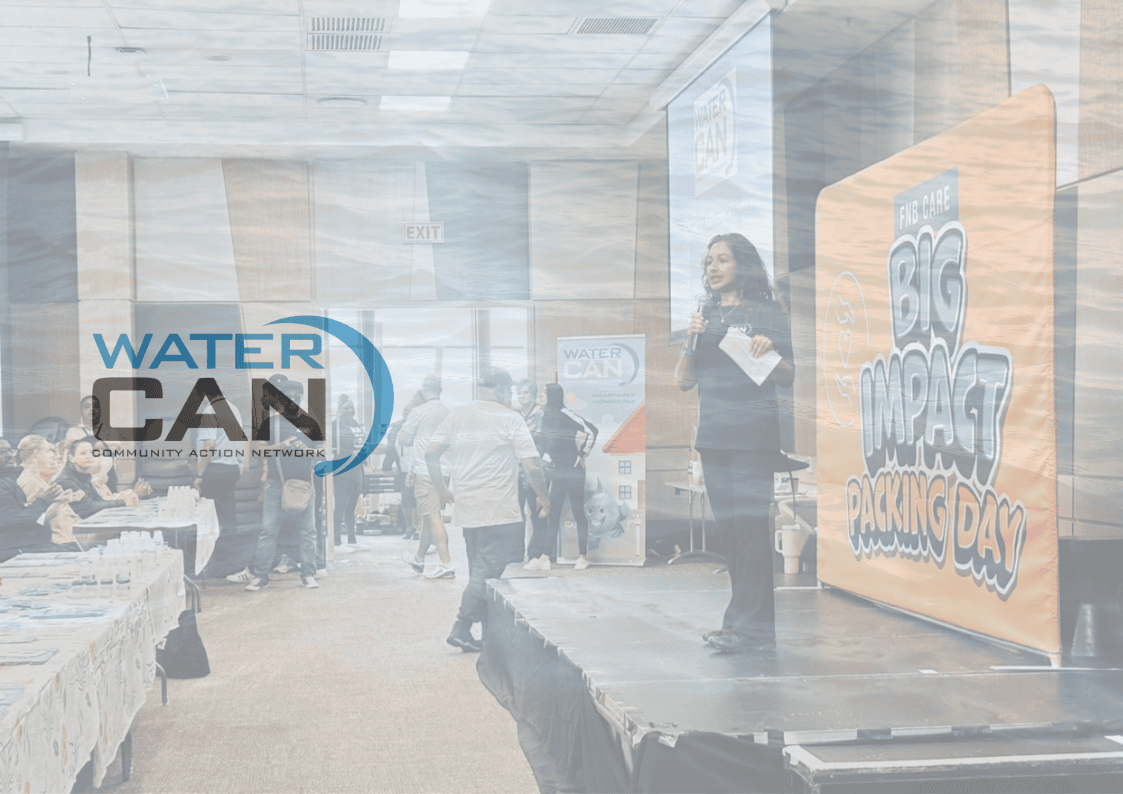
Catalysing public action on water justicemeans helping communities organise and act when water services fail or when pollution and environmental harm threaten people’s health and livelihoods - so rights are defended and change is forced.
WaterCAN does this by:
- Supporting campaigns that demand safe, reliable water and proper wastewater management while raising awareness of water rights.
- Helping communities plan peaceful, lawful advocacy: petitions, submissions, public meetings, and media outreach.
- Building grassroots capacity by training local organisers, strengthening community structures, and sharing practical “how-to” resources.
- Connecting local struggles to wider networks so communities can amplify their voice and learn from others.
The goal: turn frustration into organised public pressure—grounded in rights, evidence, and community power - so water justice becomes real and enforceable
Pillar 4: Foster cross-sector collaboration
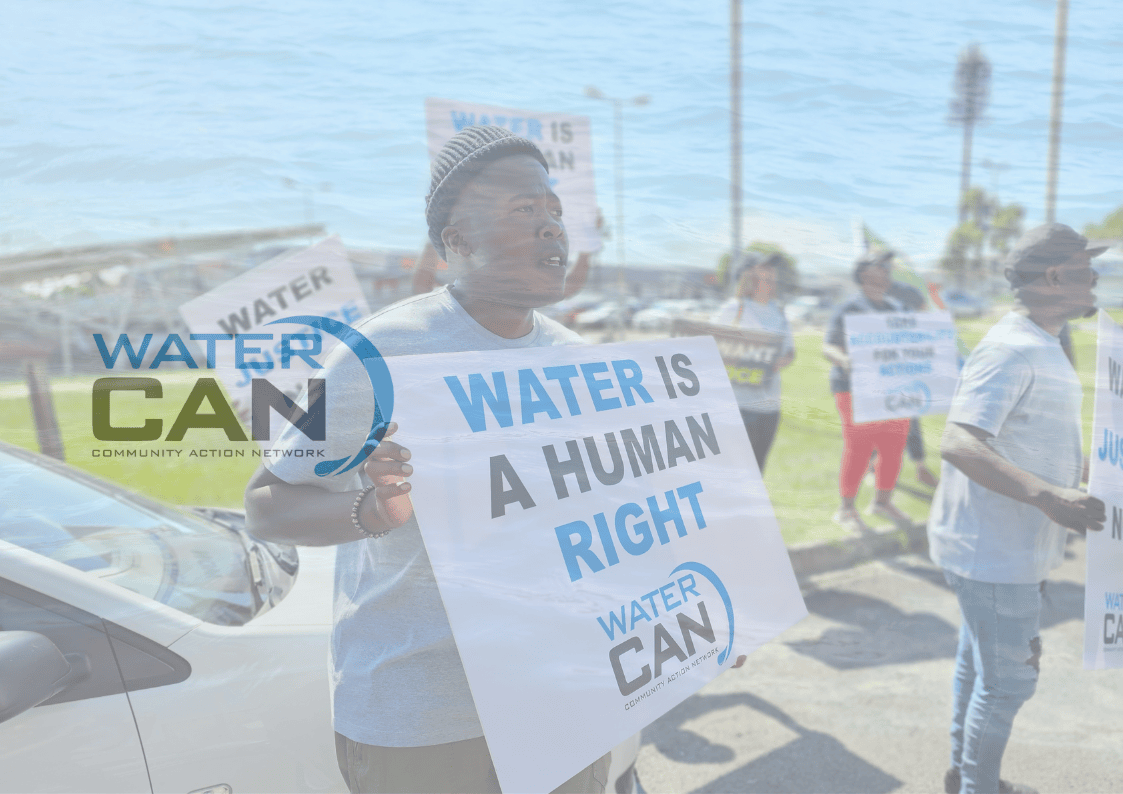
Fostering cross-sector collaboration means bringing different parts of society together- communities, NGOs, researchers, businesses, and government- so solutions to water problems are shared, practical, and fair.
WaterCAN does this by:
- Working with academia and scientists to improve methods, verify findings, and translate data into insight.
- Engaging business and industry to support responsible practices, funding, and innovation.
- Creating channels with government and regulators to share evidence, improve response systems, and influence planning.
- Hosting forums and joint projects where stakeholders co-design solutions and agree on roles, timelines, and accountability.
The goal: move beyond blame and silos to coordinated action—so water systems become more just, resilient, and sustainable for everyone.
