
As South Africa marks Human Rights Day and World Water Day, the reality for millions is stark: “Day Zero” is not a future threat - it is already here. WaterCAN believes authorities at local, provincial and national level are continuing to violate the rights of millions of people by failing to provide reliable access to water and sanitation.
This is no longer a service delivery failure. It is a sustained violation of constitutional rights.
Across the country, communities are going without water for days at a time - not as isolated incidents, but as a pattern of systemic collapse. Where water is available, it is often unsafe.
In QwaQwa in the Free State and in Mogalakwena Local Municipality in Limpopo, WaterCAN-supported community monitoring has highlighted water that is unfit for human consumption. This is not an abstract crisis - it is people being forced to drink unsafe water or go without.
At the same time, sanitation systems are failing, with sewage spills becoming routine in many areas. In a country where over 70% of wastewater treatment works are in a critical state, the collapse of water and sanitation systems is no longer a warning - it is the current reality.
WaterCAN executive director Dr Ferrial Adam said the crisis is not driven by drought, but by governance failure.
“This is a man-made crisis caused by corruption, mismanagement and a lack of accountability across all spheres of government. Communities are paying the price with their health, dignity and livelihoods,” she said.
While cities like Johannesburg have drawn attention, the crisis is national, affecting small towns, rural areas and metros alike. Failing infrastructure, repeated outages and growing criminal interference in water systems are accelerating the breakdown.
Adam added that the National Water Crisis Committee announced by President Cyril Ramaphosa during the 2026 State of Nation Address which he claims will manage the national water crisis and therefore elevate the crisis a national disaster level, has disappeared from public view, with civil society thus far excluded from any discussions.
“Civil society is the reason why the water crisis is a national issue. Authorities have attempted to hide the crisis from public view, but because of brave activists, media and communities across the country, the issue has been elevated. Now, when its time to act, the very people at the forefront of calling for water justice appear to have been excluded from high level discussions,” said Adam.
And Adam said while we await the release of the 2026 Blue Drop and Green Drop reports, existing data already shows widespread systemic failure. Yet millions are still expected to live, work and attend school without reliable access to safe water.
“Government is treating a collapsing water system as a communications issue while people are forced to live without water or drink water that is unsafe. That is unacceptable,” Adam said.
WaterCAN warned that without urgent intervention, South Africa faces worsening public health risks and deeper inequality.
“South Africans do not need more explanations. They need action, accountability and a government that stops violating their rights,” she said.
WaterCAN will continue to fight for water justice around the country. WaterCAN’s annual national water testing week held every September for the last four years continues to shine a light on the crisis across the country. And currently WaterCAN is working with over 150 schools in all nine provinces, teaching learners how to test water and empowering them to them to ask questions and hold authorities accountable.
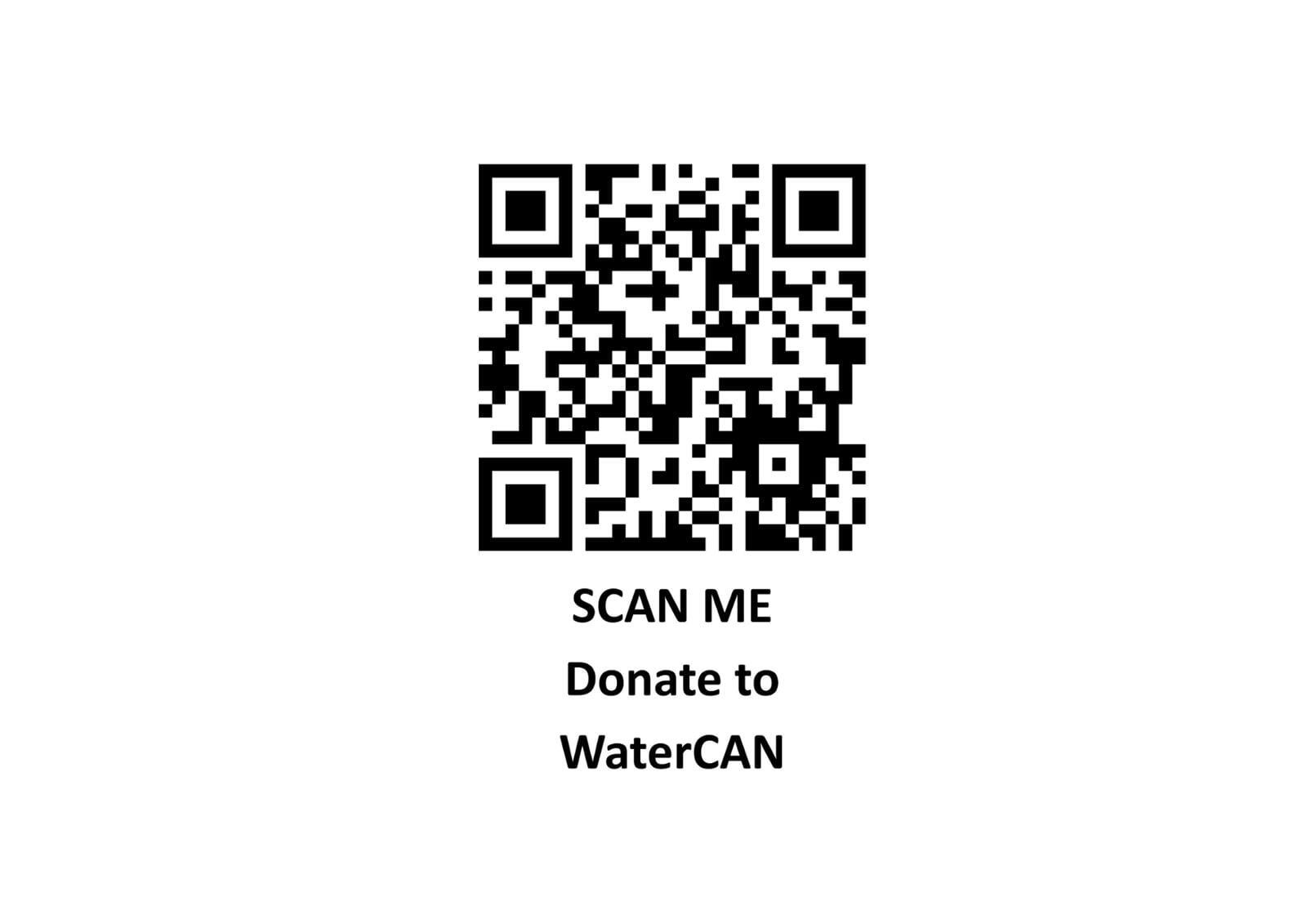
Donate to WaterCAN
Across South Africa, WaterCAN’s volunteers and citizen scientists are monitoring drinking water and sanitation failures, uncovering risks, and demanding action from those responsible. We challenge polluters, call out government negligence, and stand with communities whose rights to safe water and sanitation are routinely violated. Your support keeps this watchdog work alive and powerful.
For Media Enquiries please contact WaterCAN Communications Manager on Jonathan Erasmus 073 227 6075 or email media@watercan.org.za.
