
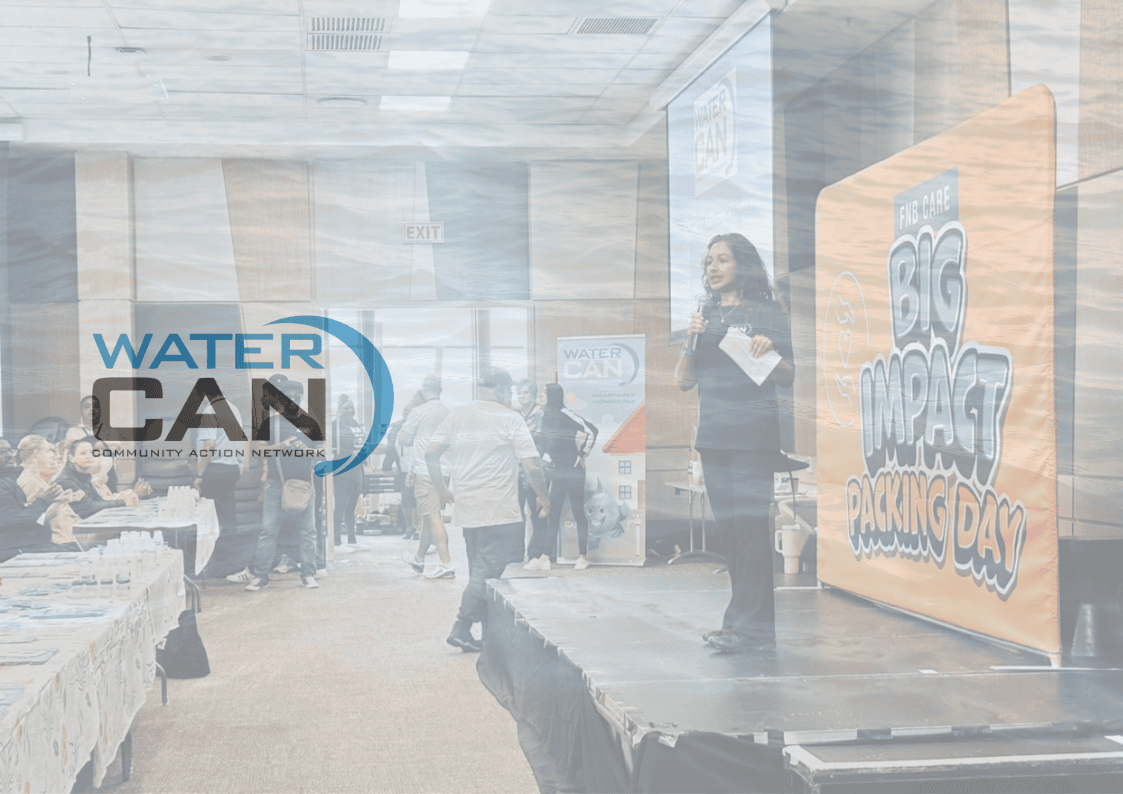
Empowering communities through citizen science means giving ordinary residents - especially women and young people - the skills and tools to test and track local water conditions, record problems, and turn that evidence into action.
WaterCAN does this by:
- Providing simple monitoring tools (kits, templates, reporting systems).
- Offering training and ongoing support so results are consistent and credible.
- Helping communities use the data to raise alarms, engage officials, and push for fixes.
- Strengthening evidence-based advocacy so complaints are backed by facts, not ignored.
The goal: local people become the eyes and ears of water safety, and their findings drive real accountability and improvement.
Schools Water Testing Project
The WaterCAN Schools Project empowers learners to become citizen scientists by testing their own school’s drinking water for safety. Across South Africa, schools participate in collecting samples, uncovering contamination risks, and raising awareness about water justice. This initiative builds knowledge, accountability, and action for safer, healthier communities.
Annual WaterCAN Testing Week
WaterCAN’s annual Testing Week runs during the week of 18 September, aligning with World Water Monitoring Day. Citizens, schools, and communities across South Africa test local water sources, exposing pollution and safety risks. The nationwide effort builds awareness, strengthens accountability, and empowers action toward cleaner, safer water for all.
