
A high-level anti-corruption forum convened by WaterCAN, the Special Investigating Unit (SIU) and the Water Integrity Network (WIN) has called for a significant strengthening of social accountability processes in the water and sanitation sectors, with civil society and business playing a far more active and sustained role in oversight, monitoring and consequence management.
The roundtable, held on 25 May 2026, brought together representatives from civil society organisations, academia and the business sector, alongside senior officials from the Department of Water and Sanitation, the SIU, the Auditor-General of South Africa, and the Department of Cooperative Governance and Traditional Affairs.
The forum was convened against a backdrop of deepening crisis in the water and sanitation sectors, where corruption, procurement irregularities, infrastructure failure, weak governance and institutional collapse are combining to deny millions of South Africans access to basic services, and the establishment of the Water Sector Anti-Corruption Forum (WSACF), intended to address these challenges through a ‘whole of society’ approach.
Participants agreed that corruption in the water and sanitation sectors cannot be treated solely as a law-enforcement problem. Confronting it requires a strong focus on prevention, including stronger public oversight, ethical procurement practices, enhanced whistleblower protection, and sustained pressure from communities, civil society and business.
"Accountability cannot rest with oversight institutions alone," said Dr Ferrial Adam. "Communities, civil society, business and ethical public servants must be brought much closer to the systems where decisions are made and money is spent."
A central theme of the roundtable was the need to strengthen oversight across the full procurement cycle, covering pre-procurement, procurement and post-procurement phases, where corruption risks most commonly emerge. Participants proposed social audits focused on procurement and service delivery, drawing on existing research including work by the Public Affairs Research Institute, as a practical mechanism for community-based and civil society oversight.
The forum also agreed that emerging policy developments, including the Local Government White Paper and ongoing procurement reforms, must be closely monitored to ensure they do not inadvertently weaken transparency, accountability or consequence-management mechanisms.
"South Africa cannot fix the water crisis while corruption continues to hollow out the institutions responsible for delivering water and sanitation services," said one participant.
Participants noted that targeted anti-corruption interventions within the water and sanitation sectors are likely to be more effective than broad national initiatives that often fail to engage the specific procurement, governance and political risks facing water and sanitation institutions.
The business sector committed to take a stronger and more visible role in promoting ethical conduct, transparency and accountability within the water value chain. The forum proposed convening a dedicated business roundtable to deepen private sector participation in anti-corruption efforts.
Other proposed actions included expanding the stakeholder platform to draw in more civil society organisations, professional bodies, researchers and community structures; small-town pilot initiatives and localised roundtables to build accountability from the ground up; strengthened whistleblower protection mechanisms; and sustained public education and awareness campaigns.
The roundtable concluded with a commitment to translate the discussions into a practical programme of action.
WaterCAN, together with the Water Integrity Network, the SIU and participating stakeholders, will develop a civil society and business action plan focused on strengthening prevention, oversight and accountability in the water and sanitation sectors.
The action plan will include a strong awareness and capacity-building component to equip communities, civil society organisations, researchers, professional bodies and businesses with the tools to monitor procurement, identify corruption risks, and participate more effectively in oversight processes. Stakeholders also committed to working closely with the Water Sector Anti-Corruption Forum's (WSACF) Prevention Committee to ensure that the recommendations emerging from the roundtable inform and strengthen ongoing anti-corruption initiatives across the sector.
Given that 2026 is a local government election year, participants further agreed on the importance of engaging political parties on governance, ethics and accountability. The forum will explore the development of a public ethics and anti-corruption pledge for political parties, calling on them to commit to transparent governance, ethical leadership, clean procurement practices and decisive action against corruption within the water and sanitation sectors.
Participants agreed that South Africa's water crisis cannot be resolved without confronting the corruption that undermines service delivery. The forum therefore called for a sustained, whole-of-society effort that moves beyond exposing wrongdoing towards preventing corruption, strengthening institutions and building a culture of integrity capable of delivering safe, reliable and equitable water and sanitation services for all South Africans.
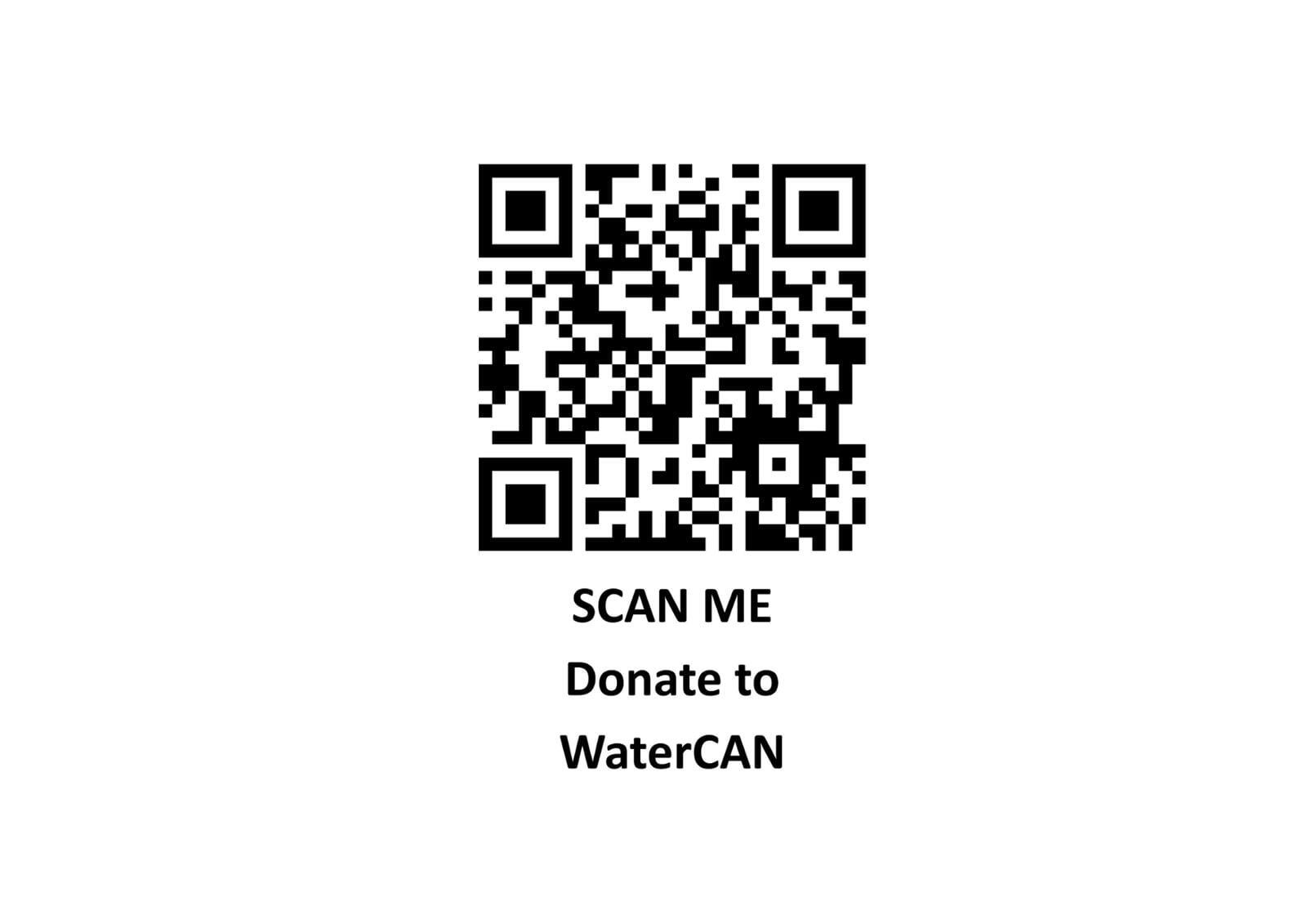
Donate to WaterCAN
Across South Africa, WaterCAN’s volunteers and citizen scientists are monitoring drinking water and sanitation failures, uncovering risks, and demanding action from those responsible. We challenge polluters, call out government negligence, and stand with communities whose rights to safe water and sanitation are routinely violated. Your support keeps this watchdog work alive and powerful.
For Media Enquiries please contact WaterCAN Communications Manager on Jonathan Erasmus 073 227 6075 or email media@watercan.org.za
