
This statement was originally published on 17 October. It has been updated to reflect the new developments in this matter.
At least six criminal cases involving the City of Tshwane's wastewater infrastructure, along with six separate criminal referrals arising from a Special Investigating Unit (SIU) investigation, have raised serious questions about the state's ability to hold officials accountable for the capital city's deteriorating water and sanitation services, says WaterCAN.
The Department of Water and Sanitation (DWS) has recorded six criminal cases involving Tshwane's wastewater infrastructure between 2020 and 2024, while the SIU's investigation into the Rooiwal Wastewater Treatment Works upgrade has resulted in six criminal referrals to the Hawks and National Prosecuting Authority (NPA).
Although it is unclear whether the two sets of matters overlap, WaterCAN says the lack of publicly available information about their prosecution outcomes is unacceptable.
WaterCAN Executive Director Dr Ferrial Adam said that, given the substantial state resources devoted to investigating failures and alleged wrongdoing in Tshwane's water and sanitation services, the public should have seen meaningful consequences by now.
Instead, she said, the municipality continues to move from one crisis to the next, with little evidence of accountability at the highest levels.
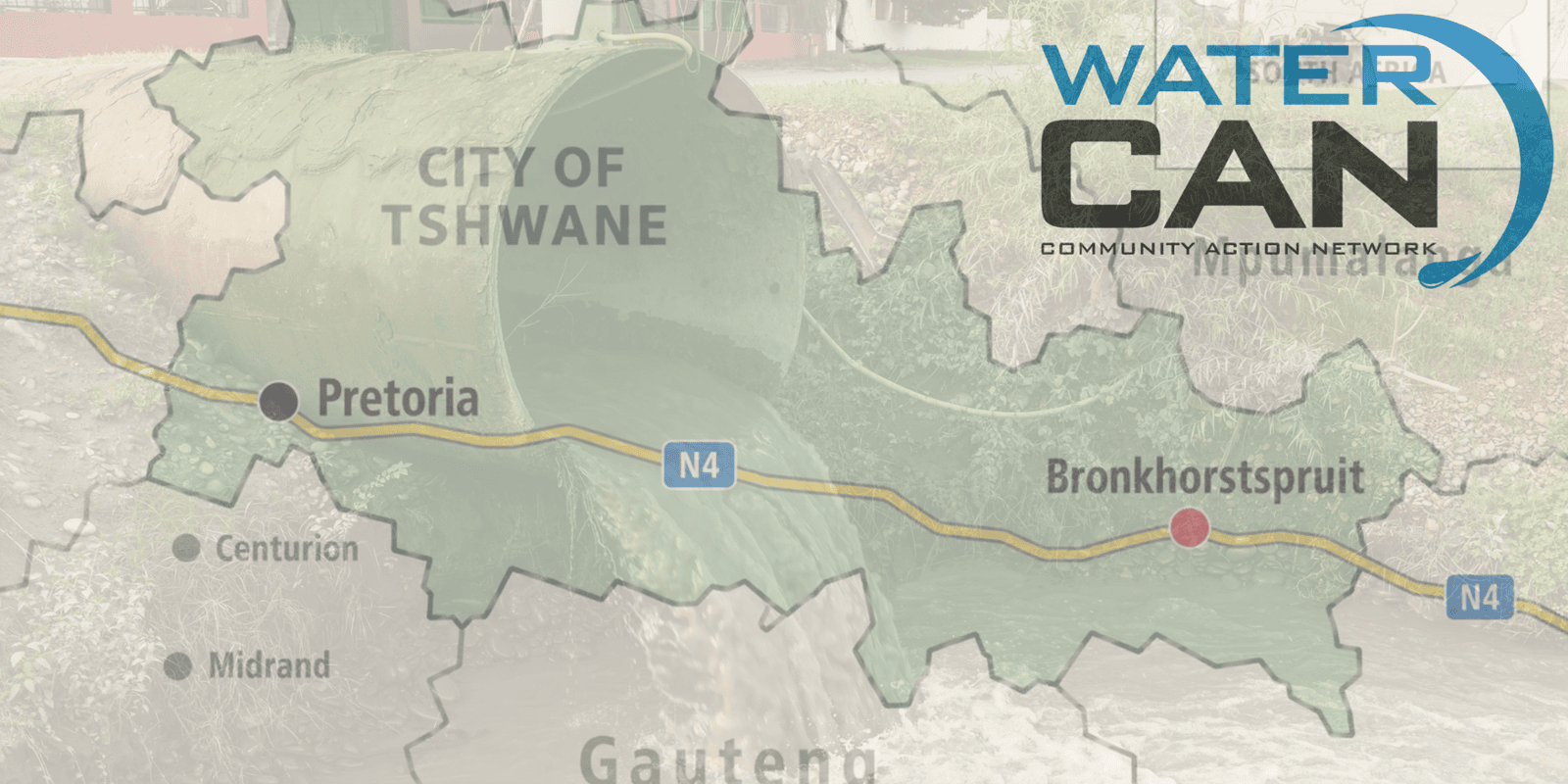
WaterCAN's concerns have been heightened by reports that as many as 408 people have fallen ill with diarrhoea and other gastrointestinal illnesses in Bronkhorstspruit.
Between 7 and 18 October, approximately 408 cases were recorded, with patients treated at Bronkhorstspruit Hospital and other healthcare facilities.
According to a joint statement released Monday by the Department of Water and Sanitation, the Gauteng Government and the City of Tshwane, laboratory test results of stool specimens from infected patients detected norovirus, campylobacter and shigella which together with other pathogens, caused cramps and diarrhoea.
The reason behind the crisis, according to the joint statement, was that the Bronkhorstspruit water treatment works (BWTW) had not been chlorinated between 24 September and 14 October.
"There needs to be an immediate inquiry into the latest incident at Bronkhorstspruit, including suspensions of senior officials who have oversight of the water treatment works. This is simply unacceptable in South Africa's capital. There is a clear collapse of oversight and lives could have been lost," said Adam.
Adam said the latest incident could not be viewed in isolation, pointing to recurring typhoid cases in Bronkhorstspruit and surrounding communities, as well as persistent complaints about unreliable water supplies, discoloured water and deteriorating sanitation infrastructure.
"These problems have been documented for years. People are getting sick, communities are suffering, and we are still waiting for meaningful accountability," Adam said.
In a parliamentary reply in 2023, DWS acknowledged that it had issued numerous non-compliance notices and directives against the City of Tshwane since 2011.
Parliamentary records also identify the following six criminal cases involving the city's wastewater infrastructure, some dating back more than six years.
Criminal cases involving the City of Tshwane
Wastewater facility / infrastructure | Case opened | SAPS case number |
MEGA Ekandustria WWTW | June 2020 | 106/06/2020 |
Bronkhorstspruit/Godrich WWTW | June 2021 | 223/06/2021 |
Rooiwal WWTW | October 2022 | 344/10/2022 |
Bronkhorstspruit Pump Station | November 2023 | 202/11/2023 |
Sunderland Ridge | March 2024 | 129/03/2024 |
Baviaanspoort WWTW, including Zeekoeigat | March 2024 | 536/03/2024 |
Source: PMG
Two of these cases directly concern wastewater infrastructure in Bronkhorstspruit, where the latest illnesses have been reported.
Adam said the existence of previous criminal investigations in the same area raised legitimate questions about what corrective measures had been taken and whether known risks had been adequately addressed.
"The six cases point to serious wastewater management concerns across Tshwane. They raise questions about the municipality's ability to maintain its infrastructure, comply with environmental legislation and prevent repeated pollution incidents," Adam said.
She said it was imperative that DWS, the South African Police Service and the NPA provide a comprehensive public update on all six criminal cases, including which remain under investigation, which have reached prosecutors, whether anyone has been charged and why some matters have remained unresolved for years.
WaterCAN intends to seek clarity on the status and outcomes of each case.
Separately, Parliament's Standing Committee on Public Accounts confirmed in May 2026 that the SIU's investigation into the Rooiwal Wastewater Treatment Works upgrade had resulted in six criminal referrals to the Hawks and NPA, alongside 13 disciplinary referrals.
Adam said the SIU and the relevant law-enforcement authorities also had a responsibility to explain what had happened to these referrals, whether prosecutions had been instituted and what disciplinary or other consequences had followed.
"The residents of Tshwane, especially those who have lost loved ones, suffered serious illness or have been unable to work, attend school, wash or cook because of failing water services, deserve to know what stage each investigation has reached. A case number is a starting point, but we want water justice now," Adam said.
"The city and the authorities responsible for these investigations are leaving civil society and the public with few remaining options. If meaningful corrective action is not taken soon, civil society partners will need to develop a strategy to compel accountability. This could include pursuing criminal complaints or civil proceedings against those responsible, including officials in the Office of the City Manager, where evidence supports allegations of dereliction of duty."
Adam said the recurring failures must also be considered alongside the longstanding water and sanitation crisis in Hammanskraal, where the 2023 cholera outbreak claimed lives and exposed serious deficiencies in essential services.
Since the 2023 cholera outbreak, substantial public funds have been committed to addressing Hammanskraal's water and sanitation crisis. While improvements have been made, some communities continue to experience water supply challenges, and critical wastewater infrastructure upgrades remain unfinished. More than three years later, the underlying infrastructure problems have still not been fully resolved.
Adam said what was particularly troubling was that successive municipal administrations had failed to initiate a comprehensive, independent investigation into the city's deteriorating water and sanitation systems and the underlying governance failures that have allowed the problems to continue.
"This raises serious questions about accountability within Tshwane's administration and the consequences for officials who may have failed to carry out their statutory responsibilities," Adam said.
WaterCAN believes an independent inquiry into Tshwane's water and sanitation crisis is now necessary to establish how the city's infrastructure reached its current condition, why repeated regulatory interventions have failed to prevent further problems and whether responsible officials should face disciplinary or criminal consequences.
"Such an inquiry must examine the role of successive political administrations, the municipal manager and senior officials, infrastructure planning and maintenance, procurement, expenditure, compliance with DWS directives and the implementation of corrective measures," Adam said.
WaterCAN said the inquiry must be genuinely independent, its findings made public and any evidence of criminal wrongdoing referred to the appropriate law-enforcement authorities.
Donate to WaterCAN
Across South Africa, WaterCAN’s volunteers and citizen scientists are monitoring drinking water and sanitation failures, uncovering risks, and demanding action from those responsible. We challenge polluters, call out government negligence, and stand with communities whose rights to safe water and sanitation are routinely violated. Your support keeps this watchdog work alive and powerful.
For media enquiries please contact WaterCAN Communications Manager on Jonathan Erasmus 073 227 6075 or email media@watercan.org.za
