
What does it actually mean when we are told that the water coming from our taps is safe to drink?
What should be tested, which risks matter most, and how can ordinary people play a meaningful role in monitoring the quality of the water they use?
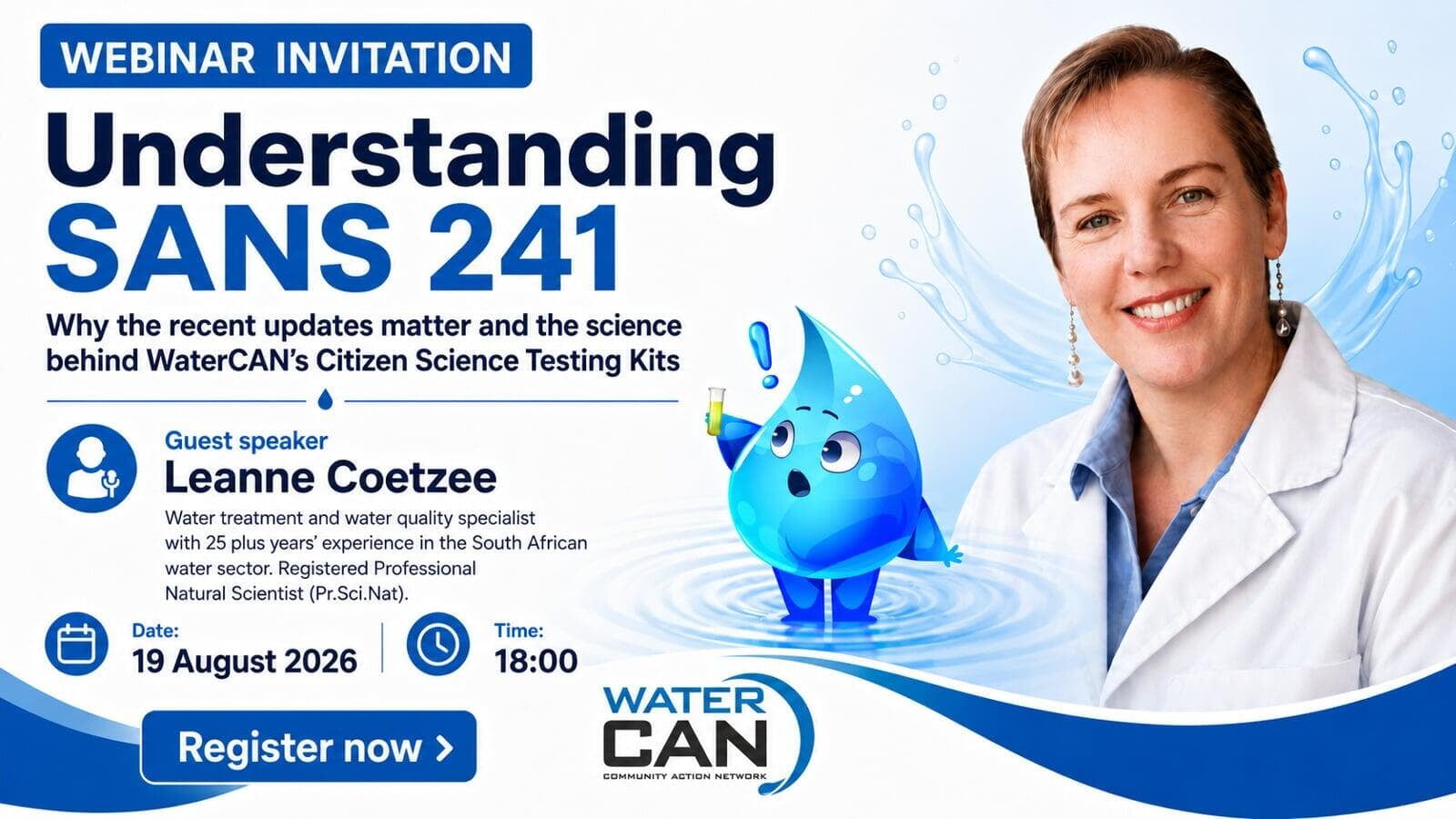
WaterCAN will unpack these questions in its next webinar on 19 August 2026, 6pm, with water treatment and water quality specialist Leanne Coetzee.
The webinar will focus on the purpose of SANS 241, South Africa’s national standard for drinking water quality, why its recent revision matters, and how a better understanding of risk can strengthen the way drinking water is monitored.
Meet our guest speaker
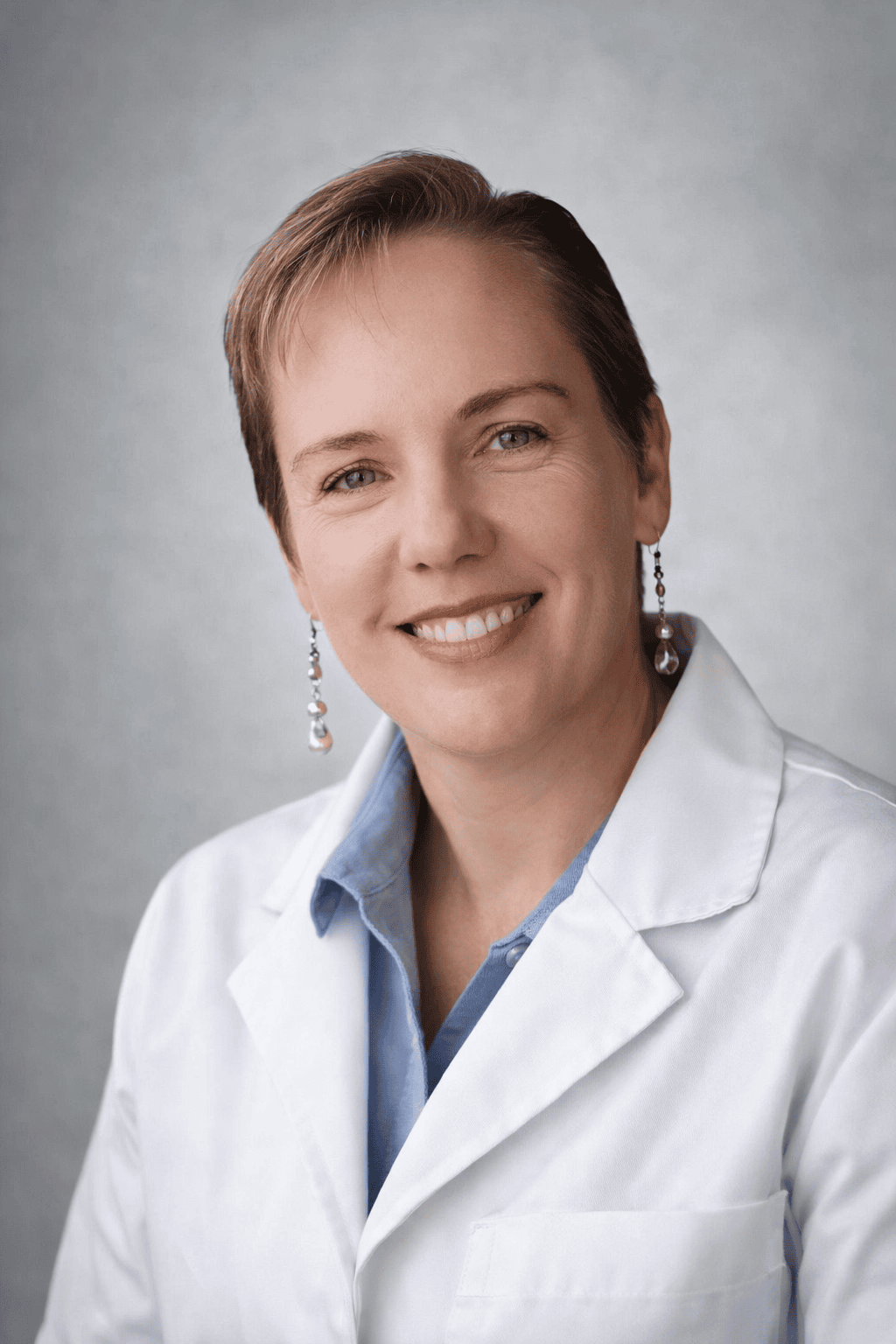
Few people are better placed to guide this discussion than Leanne Coetzee.
Leanne is a water treatment and water quality specialist with more than 25 years of experience in the South African water sector. She holds a Master’s degree in Microbiology and is a registered Professional Natural Scientist (Pr.Sci.Nat).
Her experience covers drinking water and wastewater treatment, water quality monitoring, laboratory quality management, process optimisation, regulatory compliance, auditing and the interpretation of water quality data.
She has also played a direct role in the development and application of South African water quality standards. Leanne has participated in the South African Water Quality Technical Committee, previously chaired committees responsible for water quality standardisation and has been closely involved with the Department of Water and Sanitation’s Blue Drop and Green Drop Certification Programmes since their inception. She currently serves as a Blue Drop Lead Assessor for the 2026 certification cycle.
The webinar will also bring the discussion much closer to home.
Leanne will take participants through some of the chemical testing parameters contained in WaterCAN’s Citizen Science Testing Kits, explaining what the tests tell us and why different parameters matter.
WaterCAN’s kits allow citizen scientists to test indicators including pH, chlorine, alkalinity, hardness, nitrates, nitrites and phosphates.
Citizen science tests provide an accessible snapshot and early warning tool, allowing communities to identify possible problems, monitor changes over time and gather evidence that can trigger more detailed investigation where necessary. WaterCAN has repeatedly used this approach to help communities and schools identify potential water quality concerns and demand follow up testing and corrective action.
This is central to WaterCAN’s approach to water justice. By giving people the knowledge and tools to monitor their own water, citizen science can help turn concerns into evidence and evidence into accountability.
Join WaterCAN and learn what SANS 241 means, why the changes matter and what the science behind citizen water testing can tell us about the water we depend on every day.
Date: 19 August 2026
Time: 18:00
Guest speaker: Leanne Coetzee, Pr.Sci.Nat
Register: https://zfrmz.com/HhvCphsZf7Uvy7uhFhBE
Donate to WaterCAN
Across South Africa, WaterCAN’s volunteers and citizen scientists are monitoring drinking water and sanitation failures, uncovering risks, and demanding action from those responsible. We challenge polluters, call out government negligence, and stand with communities whose rights to safe water and sanitation are routinely violated. Your support keeps this watchdog work alive and powerful.
For Media Enquiries please contact WaterCAN Communications Manager on Jonathan Erasmus 073 227 6075 or email media@watercan.org.za
