
On this page, we keep a running record of the outreach initiatives we have been involved in.
Sometimes this means attending a simple community meeting, either in person or virtually. On other days, we are teaching learners across the country how to become Water Citizen Scientists, upskilling community groups, or travelling to far-flung parts of South Africa to conduct water testing ourselves.
In other instances, we are sitting around a table with some of the most influential roleplayers in the water sector or protesting on the frontline against a water service authority that is derelict in its duties.
Our work is multi-faceted, and that is why this blog post exists.
Below is a live list of the training sessions, events, advocacy and workshops conducted so far in 2026.
5 March 2026 – Young Urban Women Movement (Mokopane, Limpopo): Online water testing training. Attendance: 4 people.
6 March 2026 – Teachers participating in Schools Water Testing Week: Online training on how to test school water. Attendance: 46 teachers.
13 March 2026 – Marritz BL: Training with teachers and students on water testing. Attendance: 10 people.
2026 Schools Water Testing Week
16-22 March
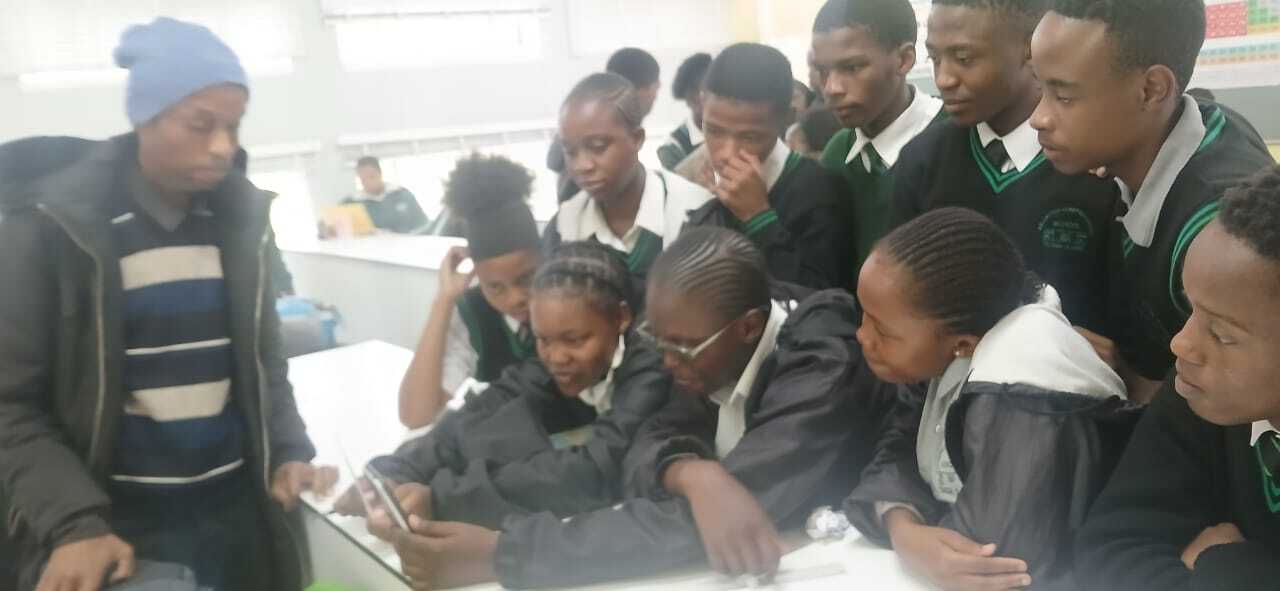
WaterCAN Successfully mobilised more than 150 schools across South Africa for the 2026 Schools Water Testing Week, during which teachers were trained to test water quality and upload results to the MapMyWater Portal. The Schools Water Testing Project findings were subsequently released, highlighting concerns around E. coli contamination in school drinking water. Of the 72 schools that submitted results, 20 recorded unsafe E. coli levels, raising serious concerns about learner health and water safety. WaterCAN engaged with affected schools and municipalities to encourage follow-up testing and prompt corrective action.
18 March 2026 – Mbali Combined School, Orange Farm: Training with teachers and students on water testing. Attendance: 25 people.
18 March 2026 – Matiwa Combined School, Orange Farm: Training with teachers and students on water testing. Attendance: 40 people.
19 March 2026 – Leshata High School, Orange Farm: Training with teachers and students on water testing. Attendance: 40 students.
19 March 2026 – Ahatuto Secondary: Training with teachers and students on water testing. Attendance: 40 people
20 March 2026 - We raised awareness around the Mokopane water crisis, where communities reported dirty water coming from taps, we released a press release. Conducted laboratory testing in Nkandla, testing four streams used by communities for drinking water. This was done in partnership with Asilindi, a local CBO in Nkandla.
Green Drop Report
20 March 2026
WaterCAN played an active role in driving accountability and influencing policy processes. The organisation provided public commentary on the Green Drop Report and its implications for water service delivery and wastewater management.
Nkandla, KwaZulu-Natal
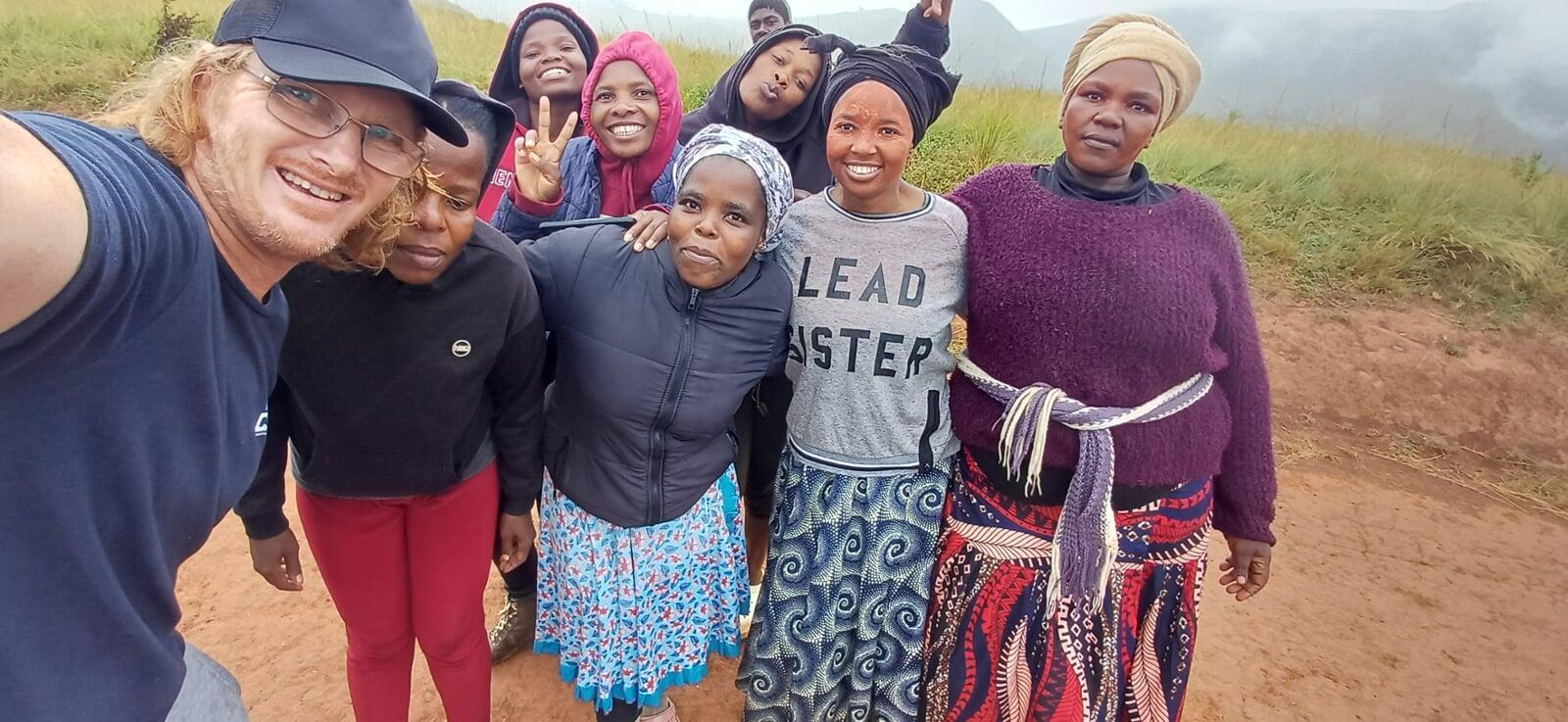
On 22 April, WaterCAN visited Nkandla and joined Asilindi, a local water activist group, for a field-based water monitoring visit. The visit focused on four natural springs that the community had recently secured from animals and other potential pollutants.
Water samples were collected from the springs and taken to Talbot Laboratories in Durban for laboratory testing. The results were mostly positive, giving the community reassurance that the steps taken to protect the springs are making a difference. The results also created a useful baseline for future monitoring.
23 April 2026 – Mahwelereng, Limpopo: Community workshop on water testing and the importance of clean water. Attendance: 35 people.
Submission to the SAHRC
19 May 2026
The organisation further made submissions to the South African Human Rights Commission Gauteng inquiry into water and sanitation. WaterCAN’s submission was favourably received with the call for civil society to rally behind the outcomes of the SAHRC hearings.
8 May 2026 - WaterCAN continues to stand up for vulnerable communities. WaterCAN was vocal and used a number of channels available to protest the city's planned 65.5% water levy increase.
26 May 2026 – Sukumani Environmental Justice Team: Online training on water testing. Attendance: Participant numbers not provided.
Roundtable – Anti-corruption in water sector
25 May 2026
Scottburgh, KwaZulu-Natal
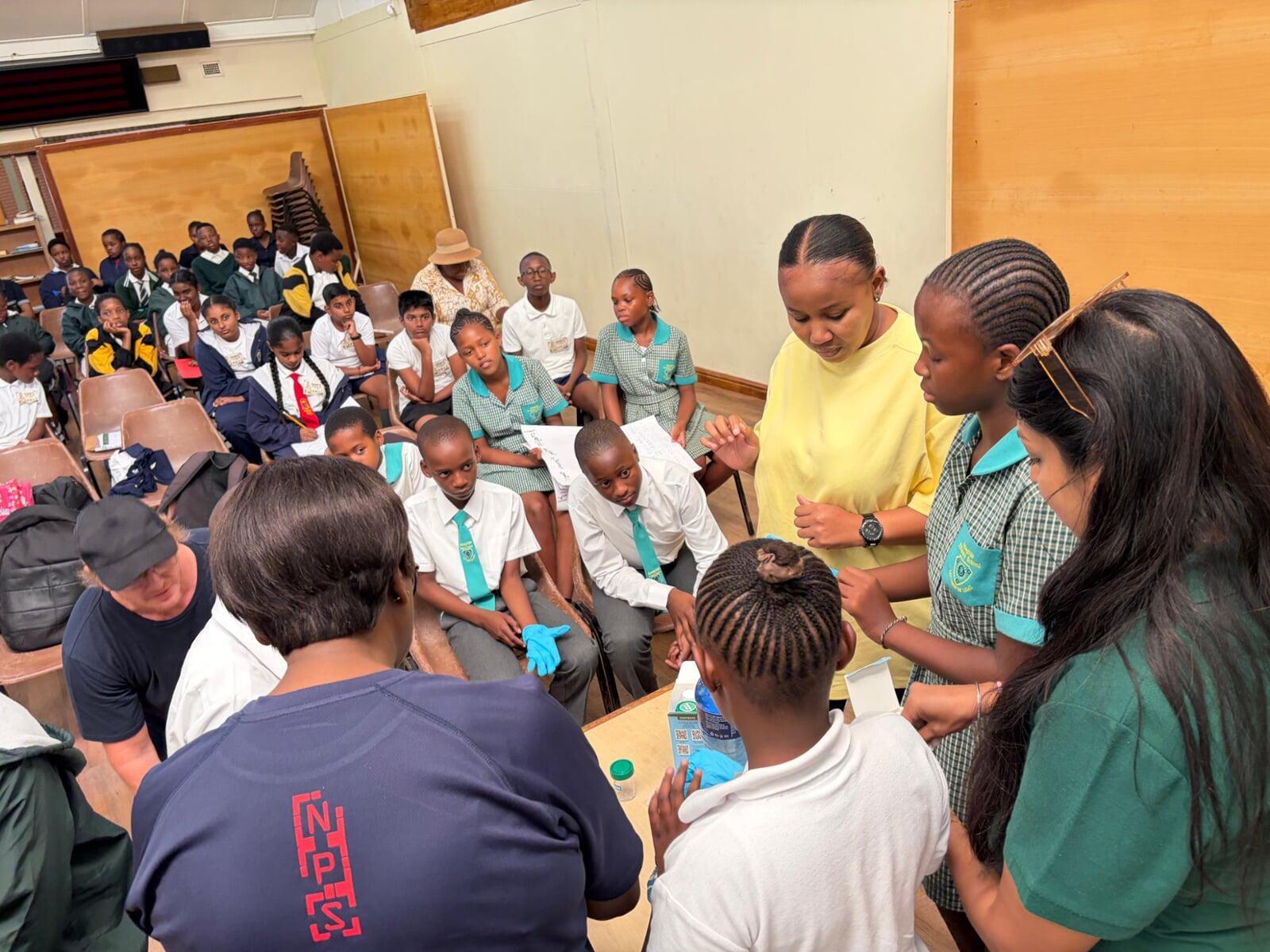
On 27 and 28 May, WaterCAN held two one-hour citizen science training sessions with SDCEA at the NG Kerk Hall in Scottburgh, South Coast. The sessions were attended by Grade 6 and Grade 7 learners.
The first session, on 27 May, included approximately 75 learners. Because of the large group and limited number of kits, the training was run as a demonstration session. Teachers and selected learners were brought to the front and shown how to use the water-testing kits, while the rest of the group followed the process as it was explained step by step.
The second session, on 28 May, was smaller, with approximately 50 learners. Because there were enough kits available, the group was divided into five groups of 10, with each group using its own test kit. This allowed the learners to work together and take part directly in the testing process.
28 May 2026 – Cape Town Workshop: Water testing workshop. Attendance: 60 people.
11 June 2026 – Italian Club, Umkomaas, eThekwini, KwaZulu-Natal. Water testing workshop. Attendance: 30 people mostly made up of small scale commercial fisherman.
Webinar: From South Africa to Antarctica: A Young Scientist's Journey
17 June 2026
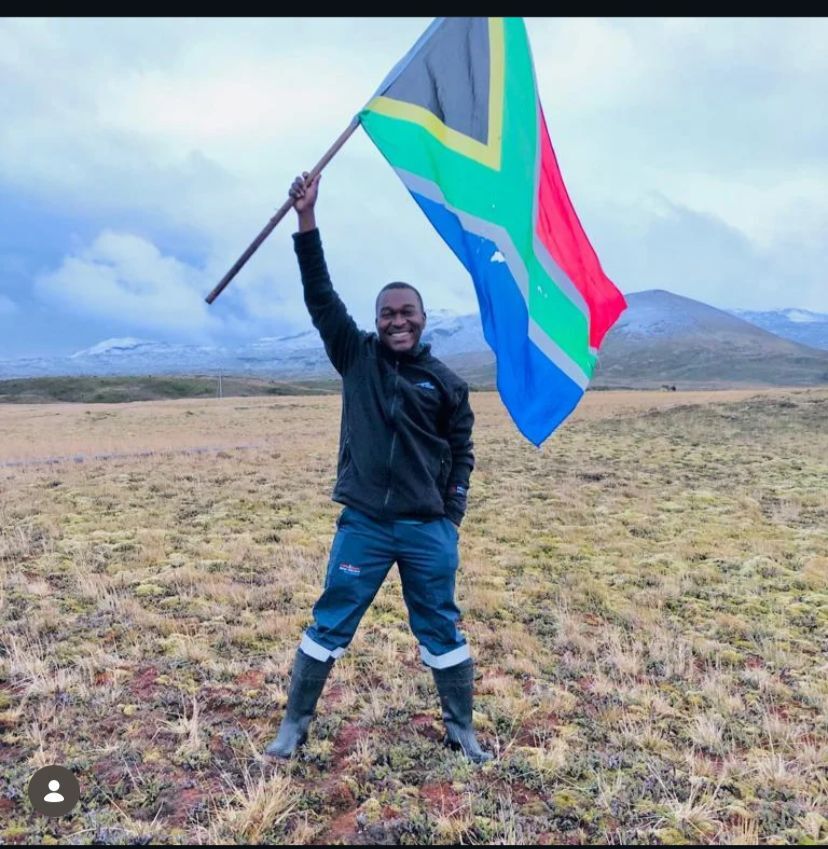
This was more than a story about life at the edge of the world. It was a reminder that the health of distant oceans is closely connected to the health of our own ecosystems - and why scientific research, water monitoring and environmental stewardship matter. WaterCAN and over sixty online guests went into conversation with young South African scientist Nkateko Maholobela, whose work has taken him from a three-week expedition in Antarctica to 15 months living in isolation on Marion Island with a team of South African researchers.
24 June 2026 - WaterCAN attended the KwaZulu-Natal Premier's Water Summit. The primary objective of the summit was the introduction of a targeted 90-day intervention strategy aimed at stabilizing the province's deteriorating water supply systems.Data presented at the summit confirmed that 13 out of KZN's 14 water service authorities are currently failing to meet basic service delivery benchmarks. WaterCAN used the event to connect and network. WaterCAN managed to meet with key personnel from Nkandla Municipality where we have an active project and key water specialists operating in eThekwini.
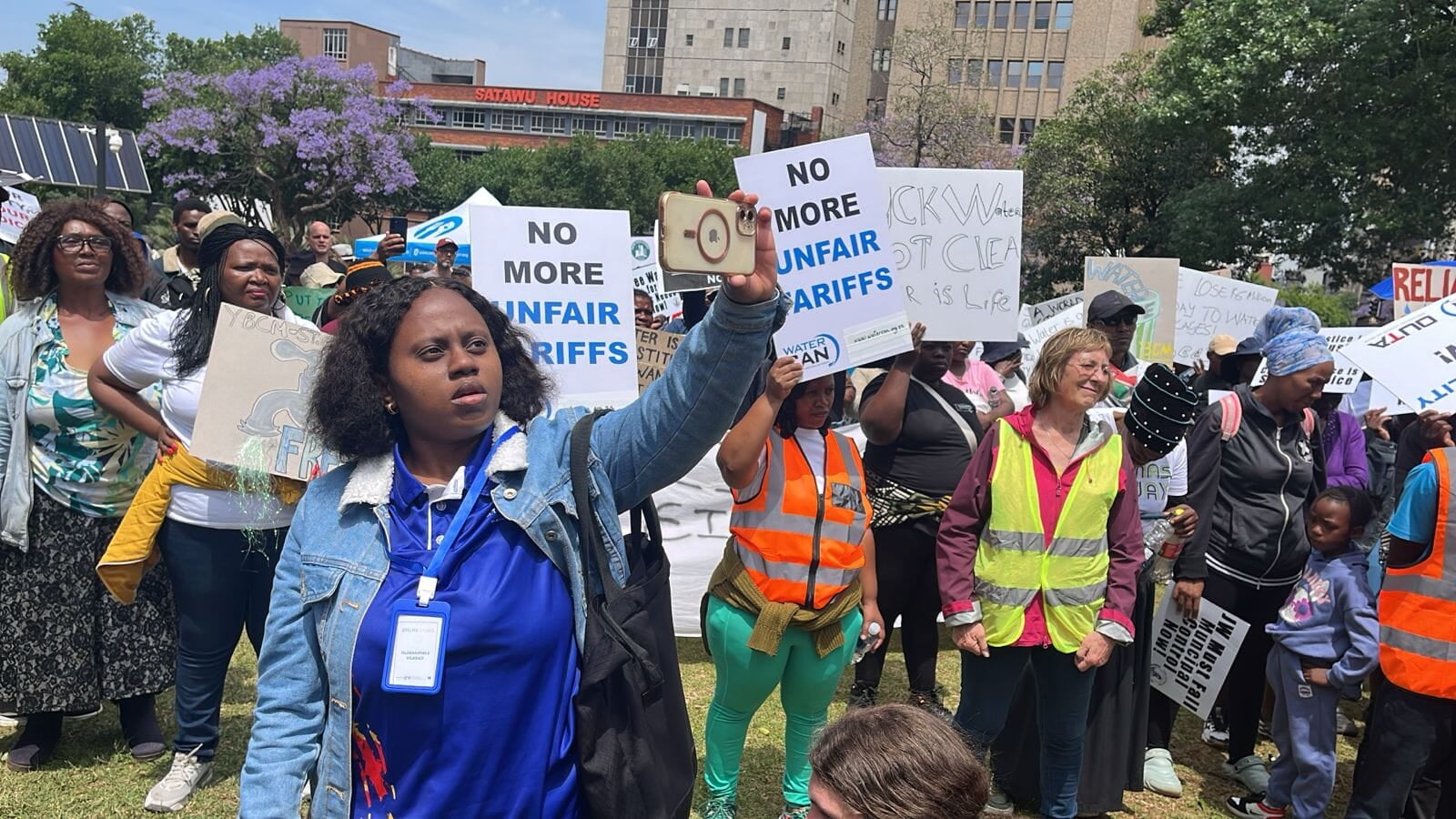
One year independent: WaterCAN says South Africa's water future depends on empowered citizens, not promises
One year after becoming independent, WaterCAN says South Africa's worsening water crisis has confirmed that communities cannot wait for government alone to protect their constitutional right to safe water.
Since separating from the Organisation Undoing Tax Abuse (OUTA) on 9 July 2025, WaterCAN has grown as a national water justice organisation, using citizen science, advocacy and community organising to hold municipalities, water entities and government accountable.
Marking its fifth anniversary and first year of independence, WaterCAN says the crisis extends beyond failing infrastructure to failures of governance, accountability and public trust. Read the full statement here.
Limpopo Training Workshop
22-23 July 2026
WaterCAN was in Mokopane, Limpopo, on 22 and 23 July, working with local water activists to strengthen community-led action for water justice.
The two-day training focused on building knowledge, strengthening networks and equipping activists to better understand the water challenges facing their communities.
Participants explored how citizen science, community organising and evidence-based advocacy can help communities monitor local water conditions and hold responsible authorities accountable.
The training also created space for activists to share their experiences, identify common challenges and build stronger relationships across communities.
By supporting local activists with practical knowledge and tools, WaterCAN is helping to strengthen civil society and build a growing network of informed water citizens who can demand safe, reliable and equitable water services.
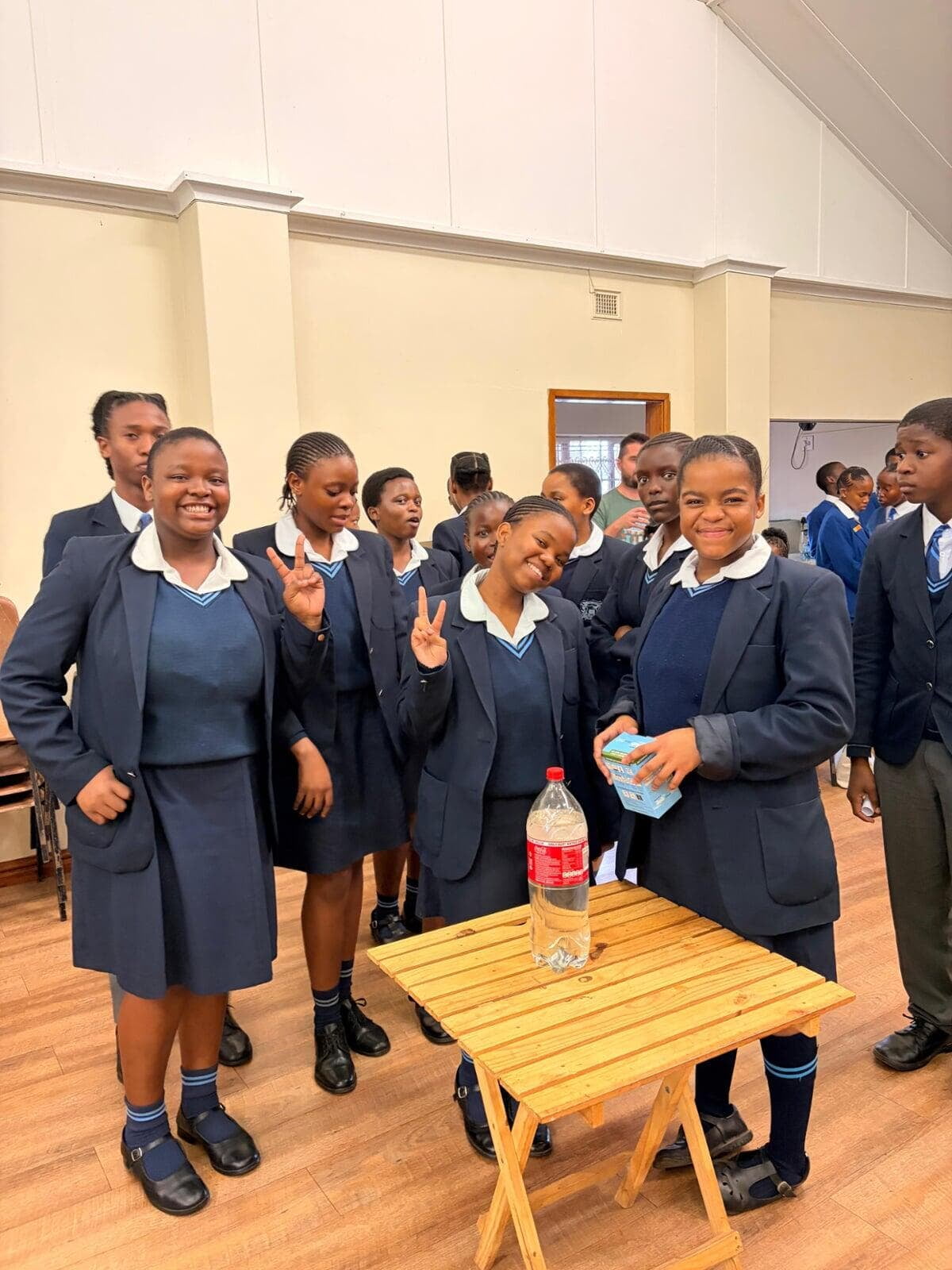
Girls embrace citizen science
27 July 2026
WaterCAN strengthened its youth-focused citizen science programme by training 60 primary school learners from schools across the Umdoni municipal area in Scottburgh.
Girls made up around 60% of the participants, while most learners came from historically disadvantaged communities. Their strong participation highlighted the importance of ensuring girls have opportunities to develop scientific knowledge and take an active role in protecting water resources.
The practical session introduced learners from different schools and backgrounds to citizen science and showed them how ordinary people can help understand, monitor and protect local water sources.
During a live water-testing exercise, learners were guided through the testing process, shown what different water-quality indicators reveal, and encouraged to consider what the results mean for communities and the environment.
By introducing citizen science at primary school level, WaterCAN is helping to develop a new generation of informed water citizens who can ask questions, gather evidence and hold decision-makers accountable. Held with our partner South Durban Community Environmental Alliance (SDCEA).
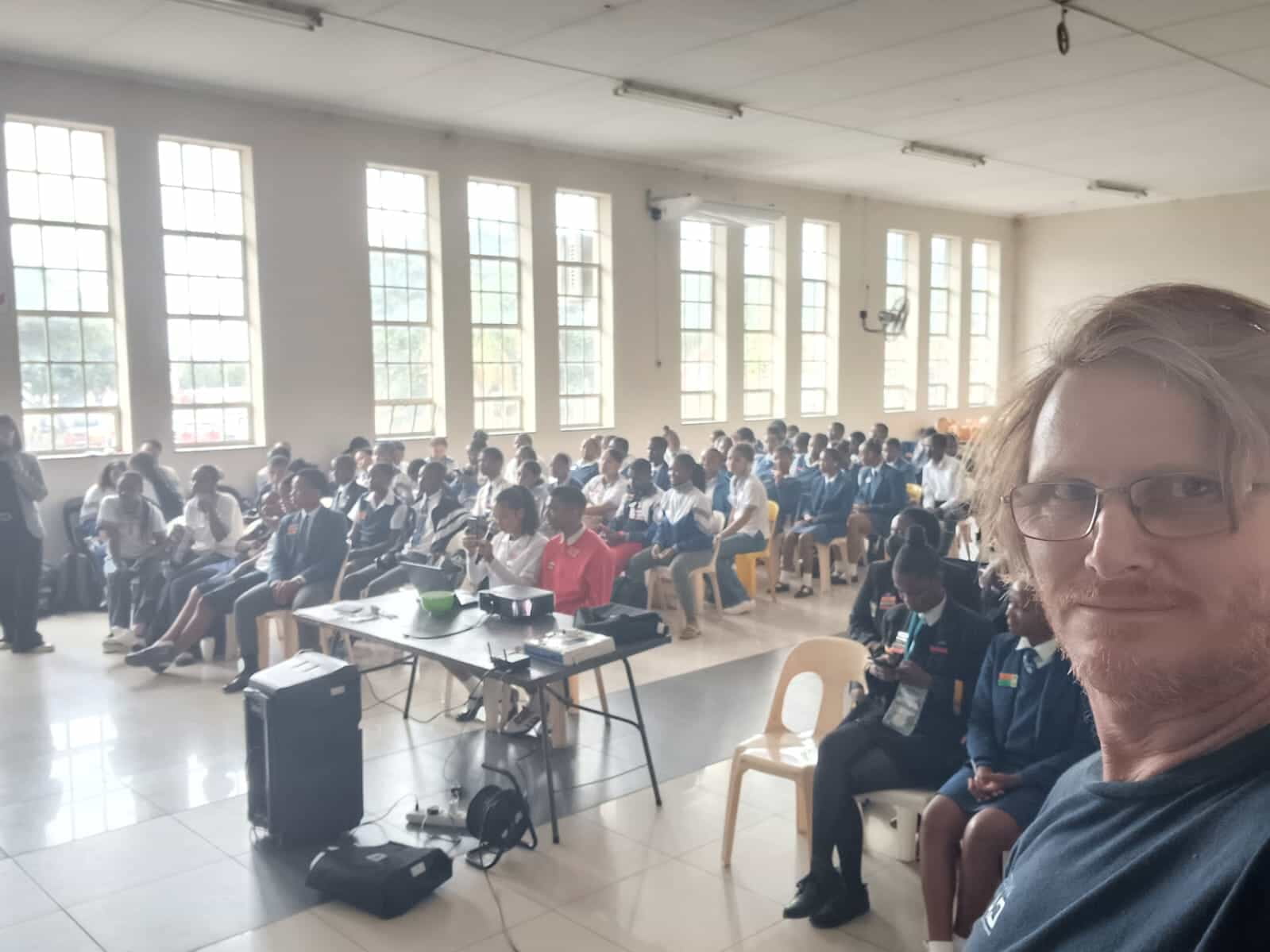
South Durban Schools stand up for Citizen Science
6 August 2026
WaterCAN strengthened its youth-focused citizen science programme by training 100 high school learners in Scottburgh.
Girls made up 67 of the participants, while most learners came from historically disadvantaged communities. The group was predominantly African, with Coloured learners also represented. Participating schools included Brettonwood High School and Umbilo Secondary School.
Umbilo Secondary learners were already familiar with WaterCAN, having participated in WaterCAN Schools Testing Week in 2025.
The practical session showed learners how ordinary people can help monitor and protect water resources. After watching a “how to test” video, they took part in a live water-testing exercise and learned what different water-quality indicators reveal about risks to communities and the environment.
The training brought together learners from different backgrounds around a shared understanding that protecting water begins with gathering evidence. WaterCAN is helping to develop informed water citizens who can ask questions, monitor local conditions and hold decision-makers accountable. Held with our partner South Durban Community Environmental Alliance (SDCEA).
WaterCAN urges Parliament to strengthen accountability in water law
12 August 2026
WaterCAN has urged Parliament to use the National Water Amendment Bill to strengthen accountability, transparency and public participation, warning that new legislation will achieve little if South Africa’s longstanding failures of implementation and governance continue.
In its submission on the National Water Amendment Bill [B1–2026], WaterCAN said worsening water shortages, wastewater pollution, deteriorating infrastructure and growing inequality in access to reliable services demonstrate that the country’s water crisis is fundamentally a governance crisis. Read our statement and access our submission here.
Zululand schools embace community water testing
18 August 2026
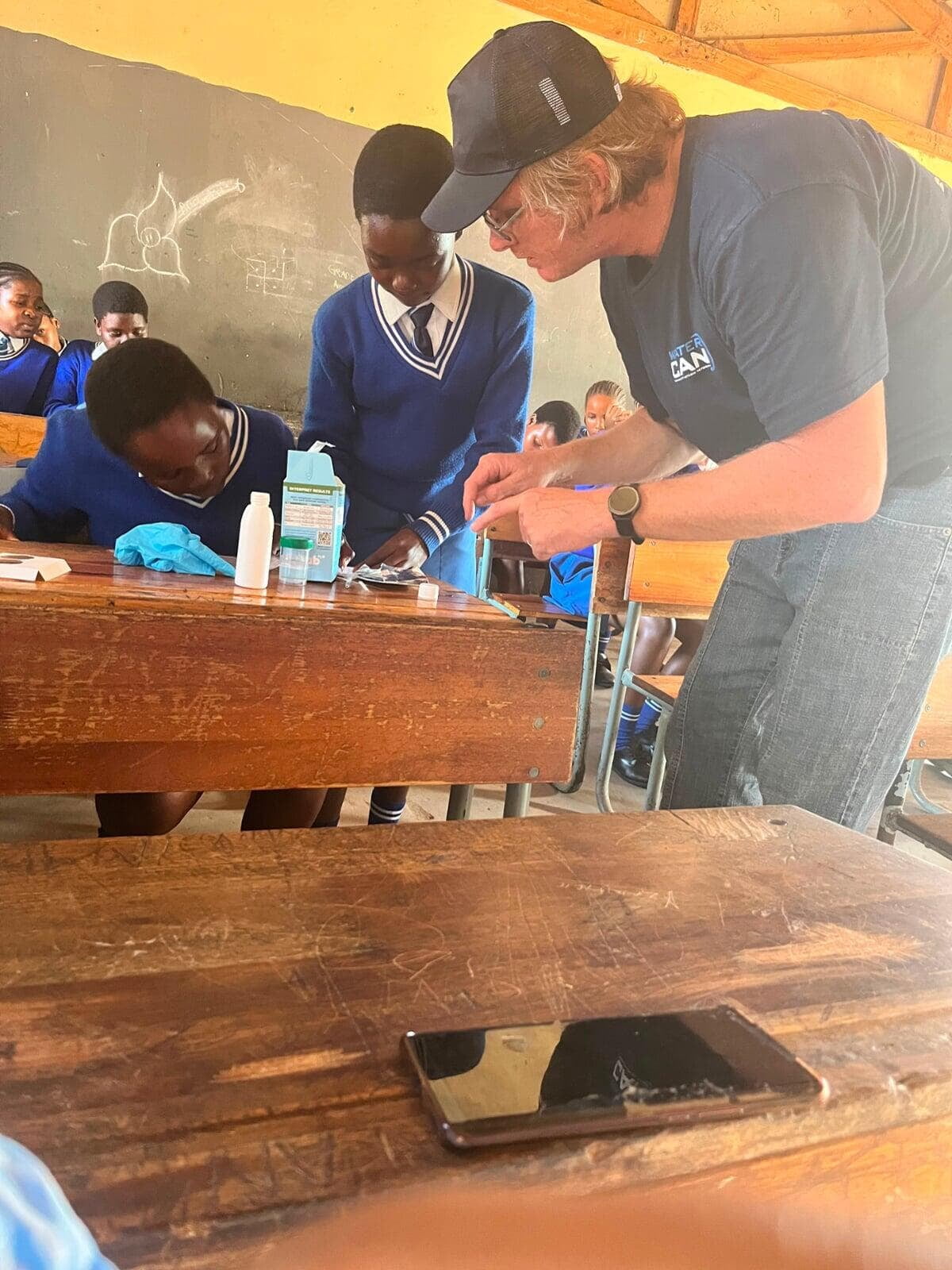
WaterCAN supported citizen science training for 60 learners at Ibendle Primary School and Amatikhulu Primary School in the Mandeni municipal area.
The co-educational schools serve deeply rural communities, where girls and boys face unreliable access to basic services, including water and electricity. Training reached 35 learners at Ibendle and 25 at Amatikhulu, ensuring young people could participate directly in understanding the quality of their water.
Learners conducted live water-quality tests and learned how citizen-generated evidence can help communities protect local water resources. The results results, logged on WaterCAN’s MapMyWater platform, were concerning: high bacterial levels were detected in JoJo tanks supplying drinking water at both schools.
Ibendle has borehole infrastructure, but WaterCAN was told it had not worked for several years. No borehole source was evident at Amatikhulu, despite its location near a main rural road, highway and popular tourist destination.
WaterCAN has escalated the findings and is determining the appropriate next steps. Held with our partner South Durban Community Environmental Alliance (SDCEA).
Free State Training Workshop
20-21 August 2026
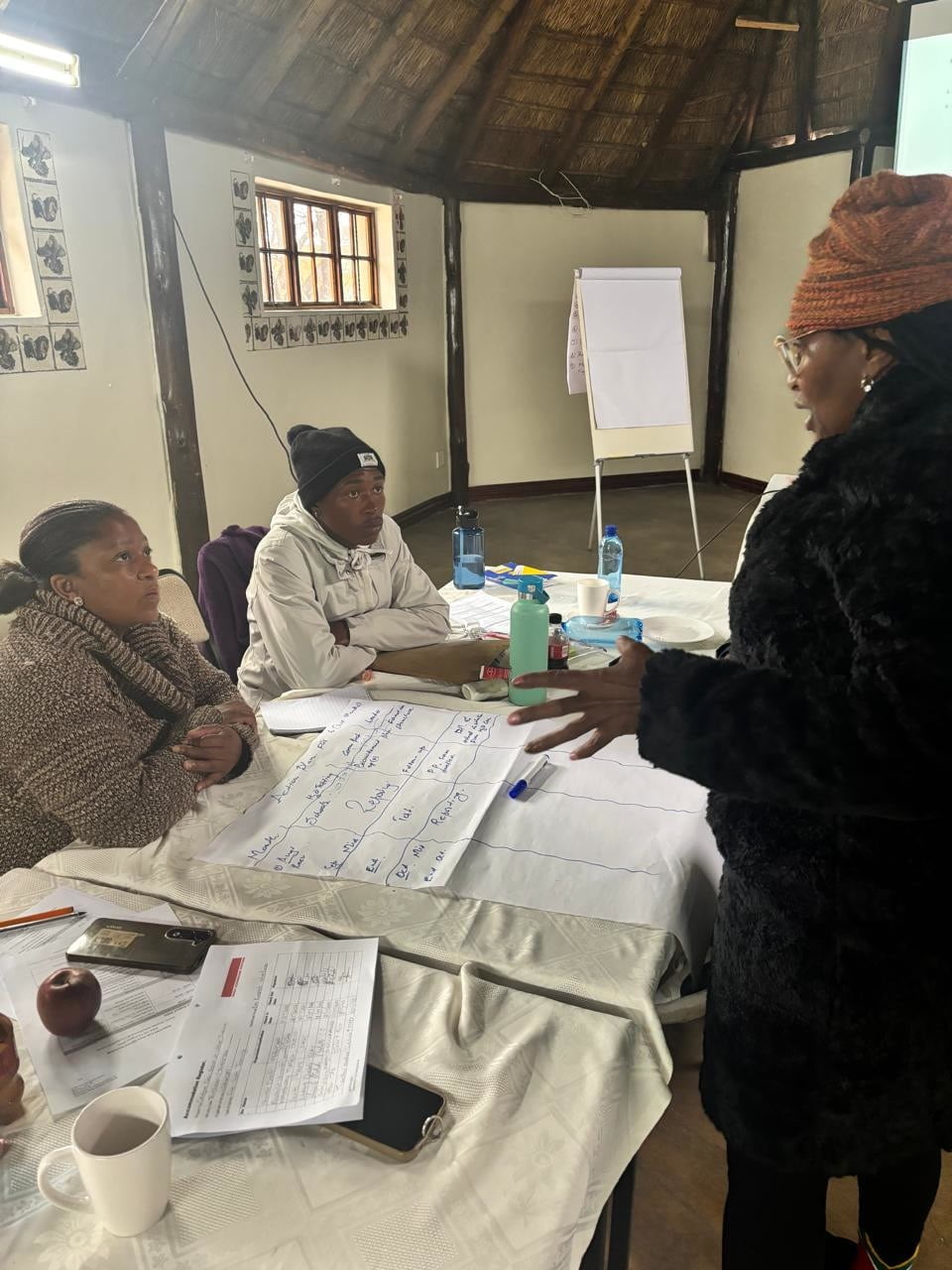
WaterCAN was in Mangaung on 20 and 21 August, working with local water activists to strengthen community-led action for water justice.
The two-day training equipped activists with practical knowledge and tools to better understand the water challenges facing their communities and demand action from responsible authorities.
Sessions focused on citizen science, gathering credible evidence, holding authorities accountable, building strong networks and strengthening civil society. Participants also shared updates on water issues affecting the communities in which they work, creating opportunities to identify common challenges and strengthen cooperation.
The training reinforced the importance of ensuring that communities are not treated only as recipients of services, but are equipped to monitor water conditions, ask informed questions and participate meaningfully in decisions affecting their water resources.
Building knowledge, strengthening networks and supporting local activists are essential to protecting water resources and ensuring that those responsible for delivering safe, reliable water services are held accountable.
The newly formed WaterCAN Free State just days later issued a statement highlighting the serious issues in the region. You can read it here.
Webinar: Understanding the Science of Water from SANS 241 to Citizen Science
21 August 2026
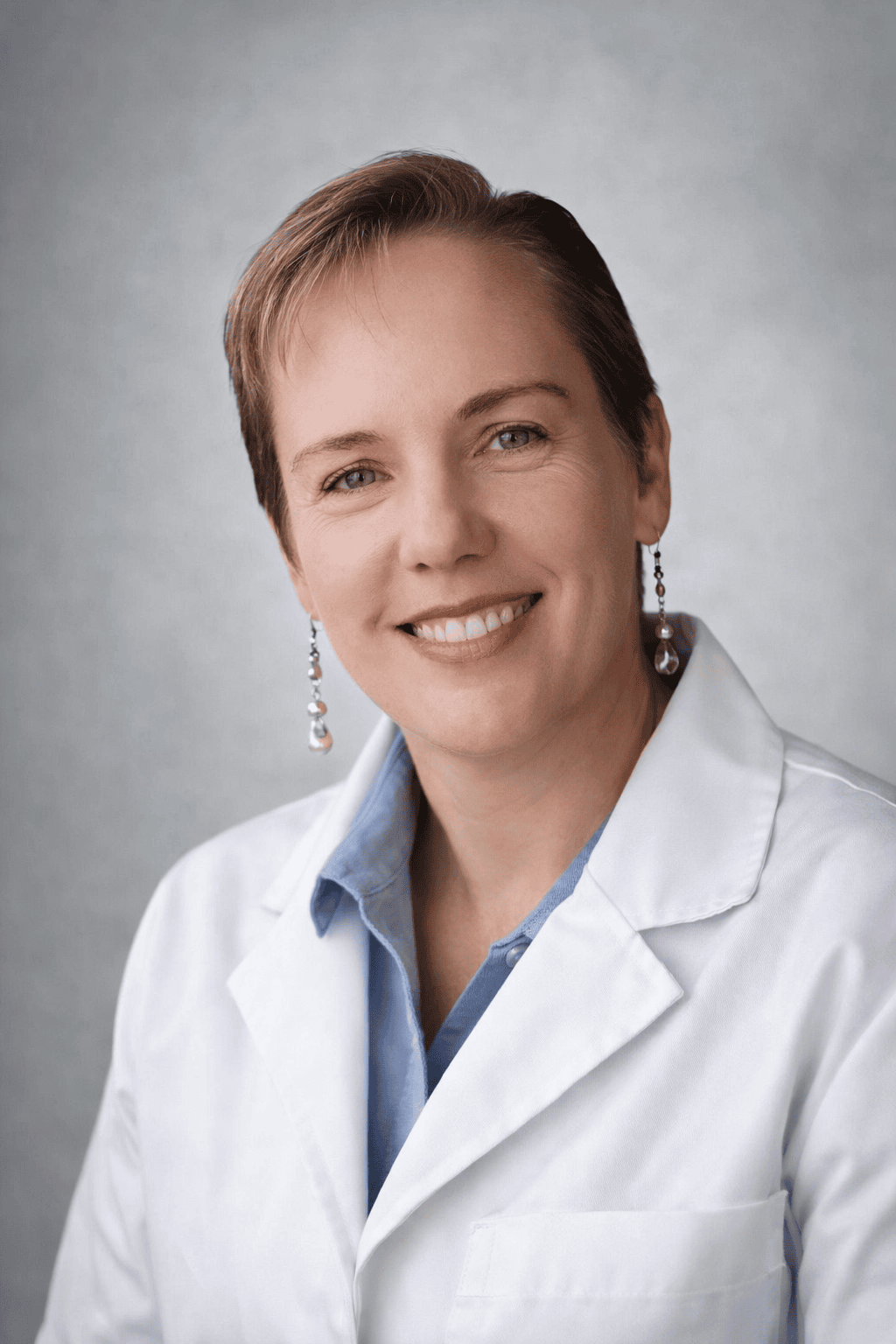
WaterCAN’s latest webinar with water quality specialist Leanne Coetzee unpacked what the updated SANS 241:2025 drinking water standard means for water safety in South Africa.
Leanne took participants through the shift towards a more proactive, risk based approach to water quality management — looking at risks from catchment to tap, changes to monitoring requirements and chemical and microbiological parameters, and how authorities should respond when water quality failures are detected.
Watch and access the resources here.
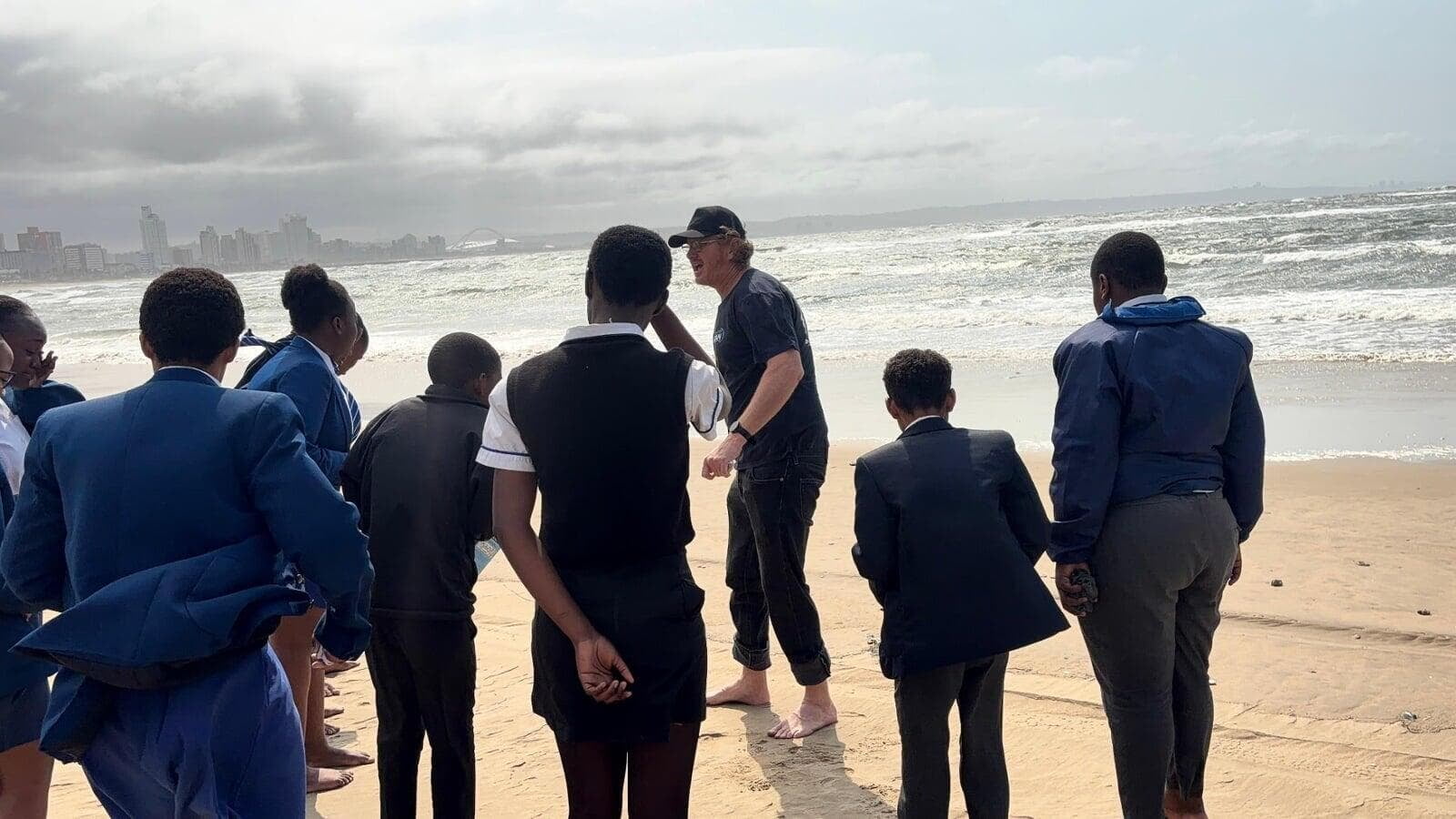
Durban high schools introduced to citizen science
27 August 2026
On 27 August, WaterCAN strengthened its youth-focused citizen science programme through an outreach session held at the Point Water Sports Club in Durban’s CBD, involving high school learners from six schools.
Girls made up 70% of participants, while all learners came from previously disadvantaged groups. The schools represented were Grosvenor Girls’ High School, Hunt Road Secondary School, Phambili High School, George Campbell School of Technology, Rossburgh High School and Durban Academy.
The practical session introduced learners to citizen science and demonstrated how they can help monitor and protect local water resources. Learners were shown how to conduct water-quality tests, interpret different indicators and use their findings to identify potential risks to communities and the environment.
The strong participation of girls was especially significant, helping to expand their involvement in science, environmental monitoring and community activism.
Through this outreach, WaterCAN equipped young people to gather evidence, ask informed questions and hold decision-makers accountable. Held with our partner South Durban Community Environmental Alliance (SDCEA).
Donate to WaterCAN
Across South Africa, WaterCAN’s volunteers and citizen scientists are monitoring drinking water and sanitation failures, uncovering risks, and demanding action from those responsible. We challenge polluters, call out government negligence, and stand with communities whose rights to safe water and sanitation are routinely violated. Your support keeps this watchdog work alive and powerful.
For Media Enquiries please contact WaterCAN Communications Manager on Jonathan Erasmus 073 227 6075 or email media@watercan.org.za
